
Case Study · Mind & Heart Institute (MAHI)

The Situation
PEFE had 30+ years of credibility in neuroscience, learning and executive development.
But the brand? Fragmented.
The content engine? Slow.
The story? Lost in the noise.
My job wasn’t just to “refresh the brand.”
My job was to build a creative operating system a brand with clarity, a narrative with soul, and an AI-powered machine behind it.
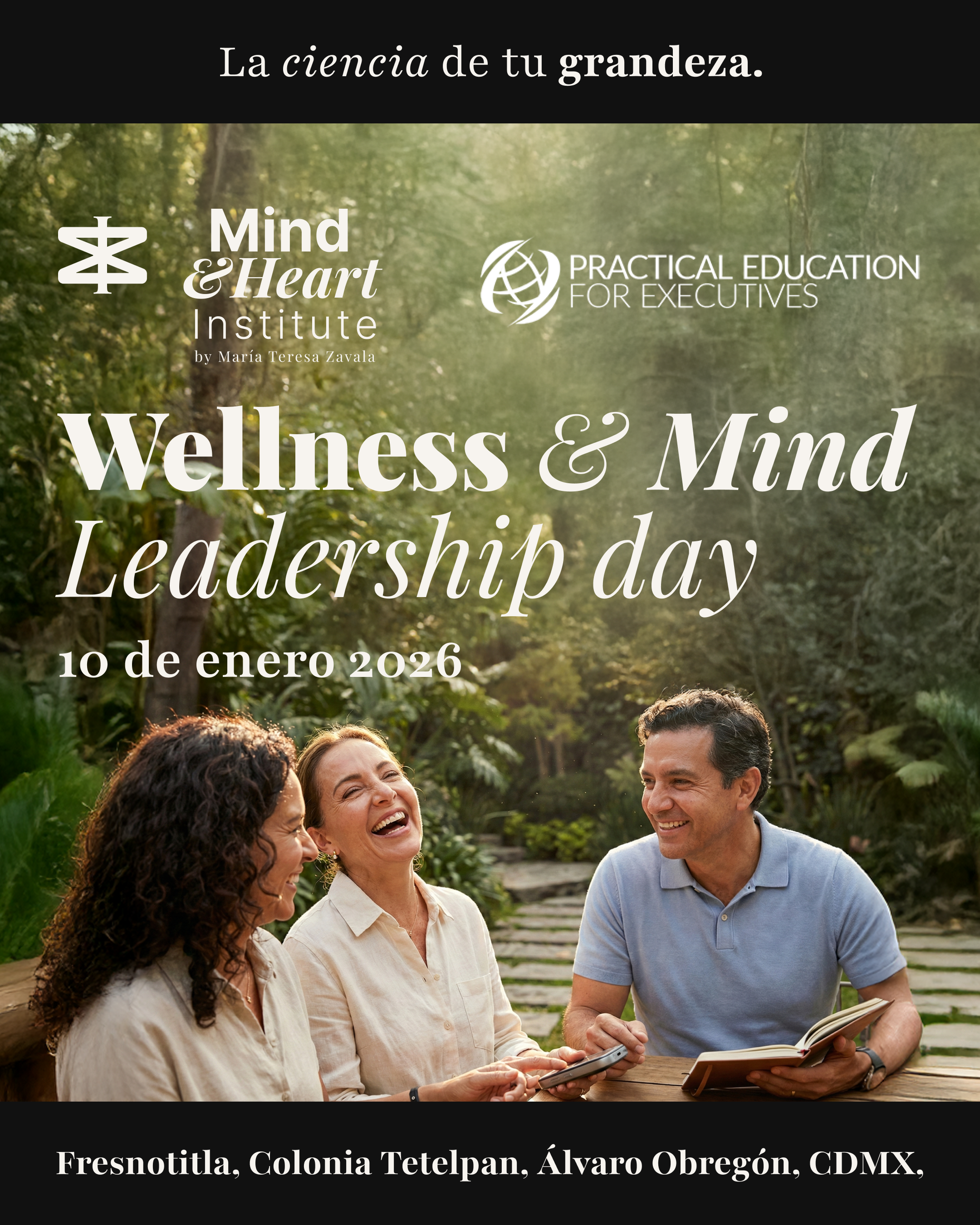
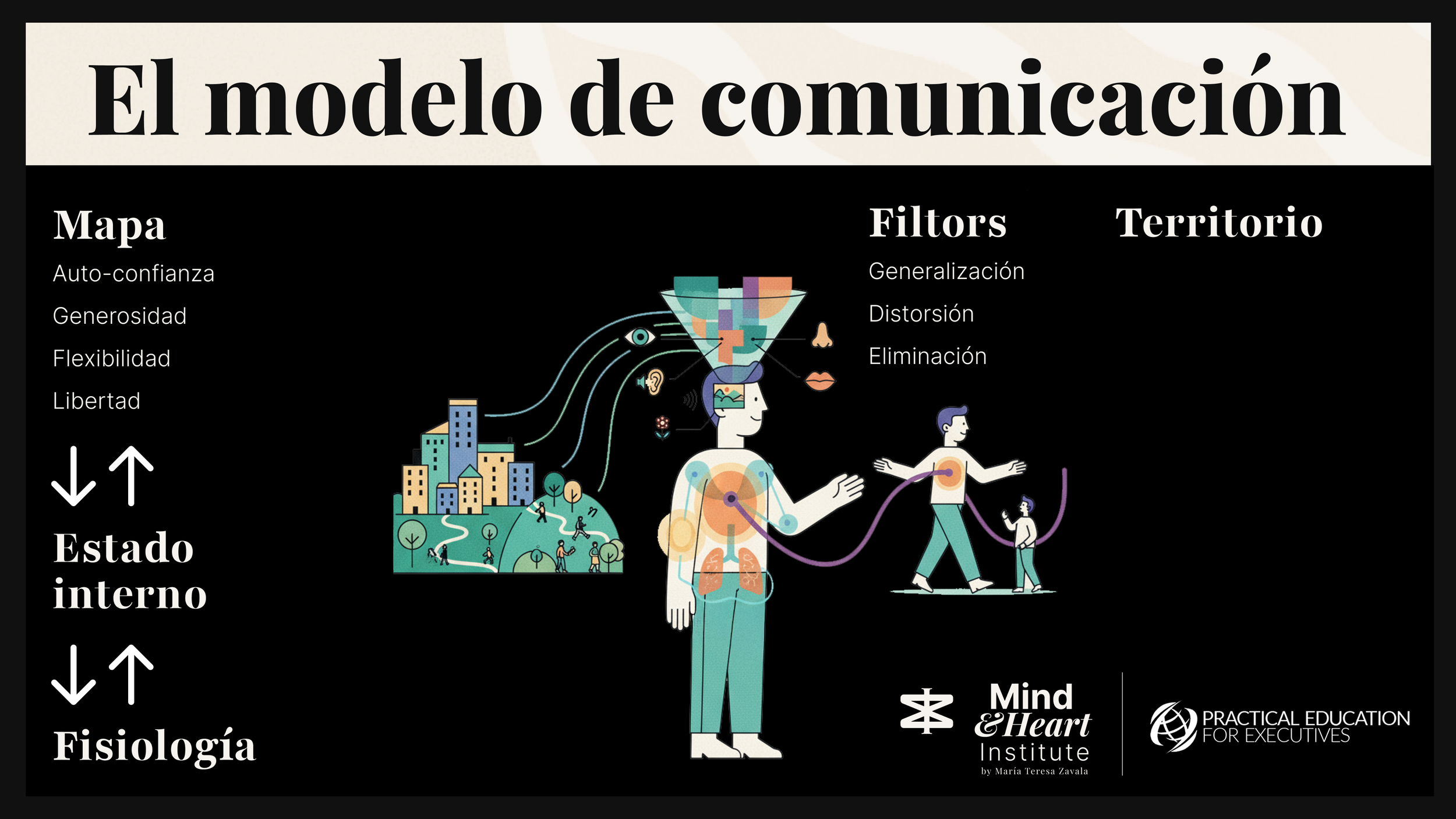
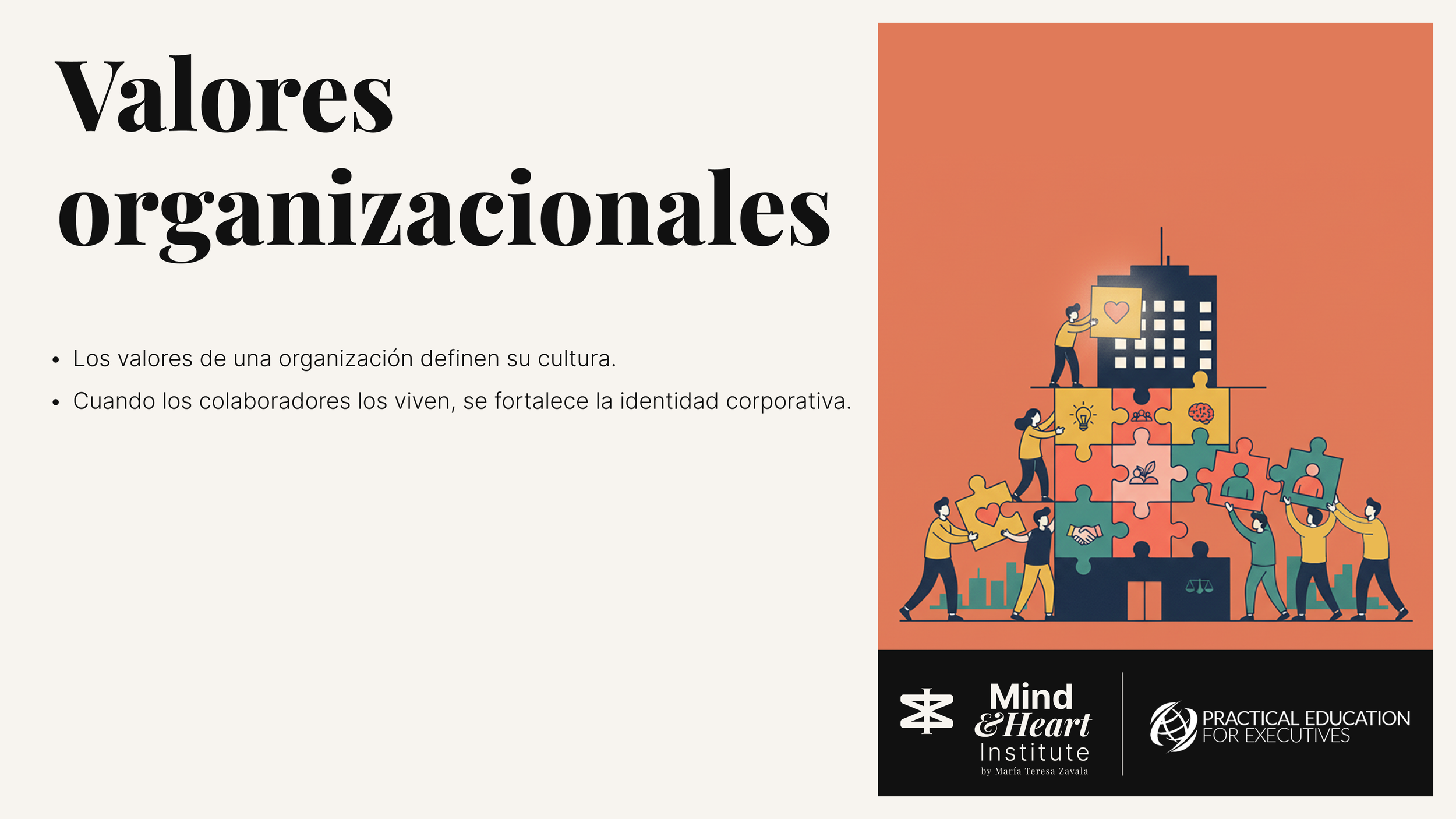
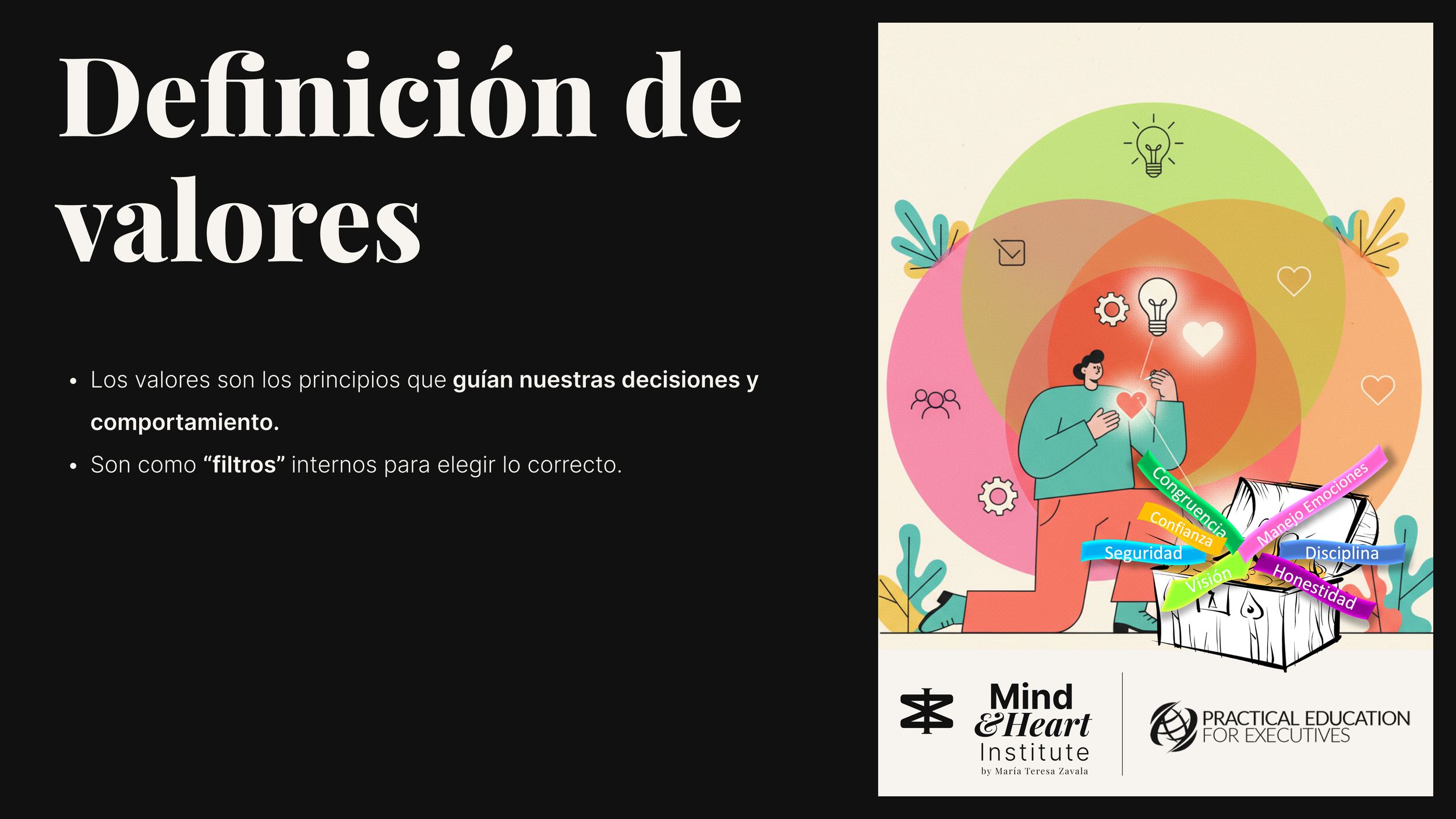
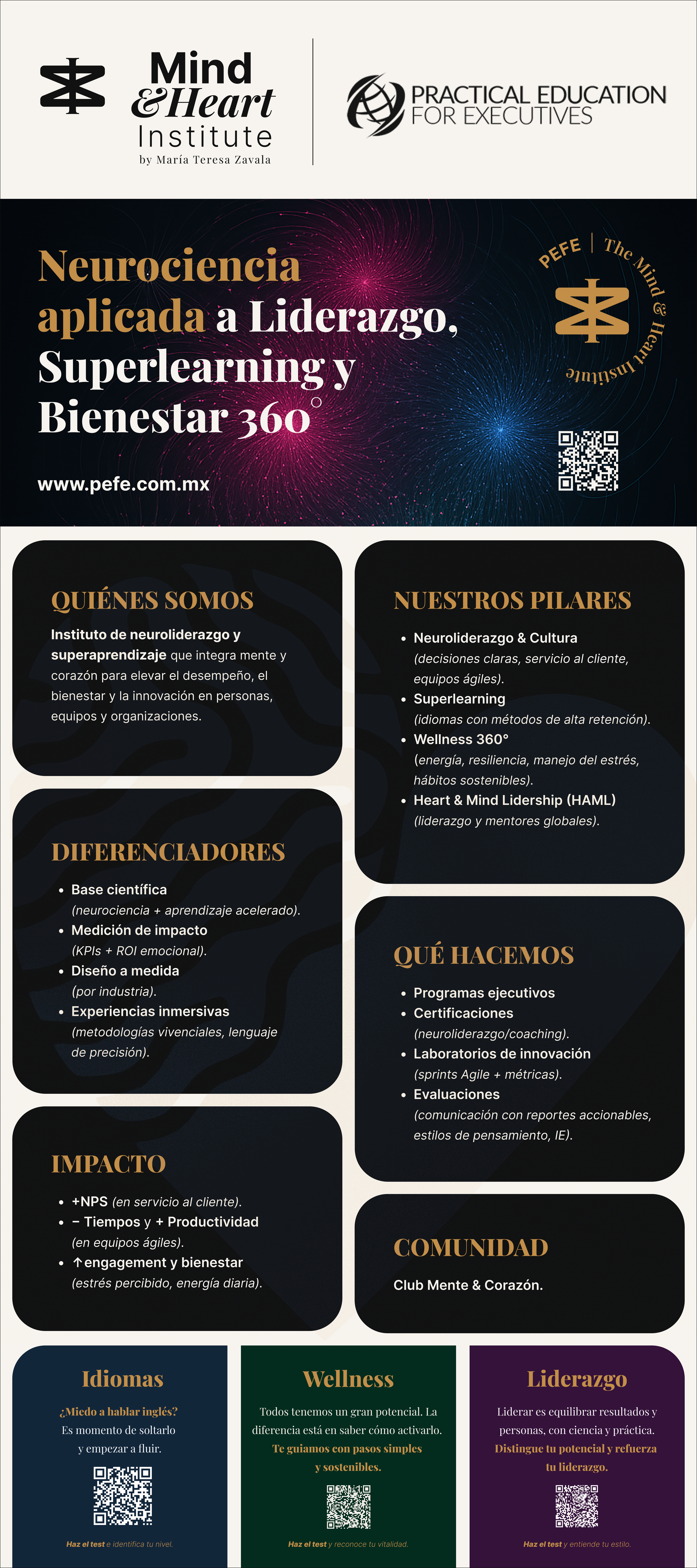
This is how MAHI (Mind & Heart Institute) was re-branded and how I used AI as an assistant to automatise workflows.
01. The Challenge
Imagine this:
A business with more than 30+ years of work in neuroscience, education and leadership.
Dozens of programs: Superlearning languages, NeuroWellness, NeuroLeadership, retreats, coaching, wellness products, and more…
Presence in Mexico. A clear path to the US, Spain and LATAM.
Strong reputation. Real results. But the brand? Stuck in the 90s.
The story was fragmented. The visual identity felt dated. The website didn’t work. Content was inconsistent. Opportunities slipped through the cracks.
Everything lived under the old name PEFE. Big opportunity. Fuzzy message. Too many offers. No clear system. No real digital presence that matched the level of the work.
So I asked a simple question:
How do we turn this from a collection of services into a coherent brand ecosystem that can actually scale?
02. The Objective
In 2 months, my objectives were:
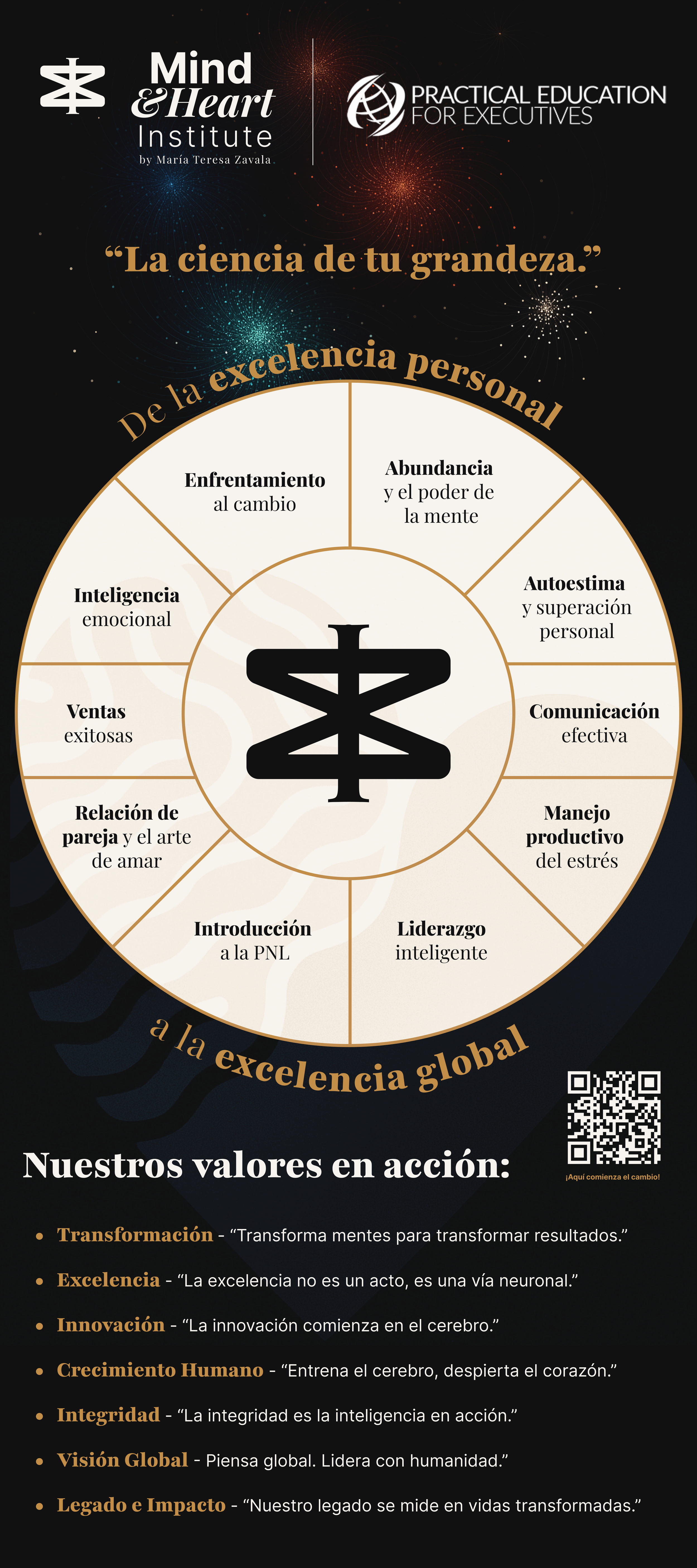
A. Build a brand system — not just a brand.
Narrative people feel.
Structure people understand.
Design language people remember.
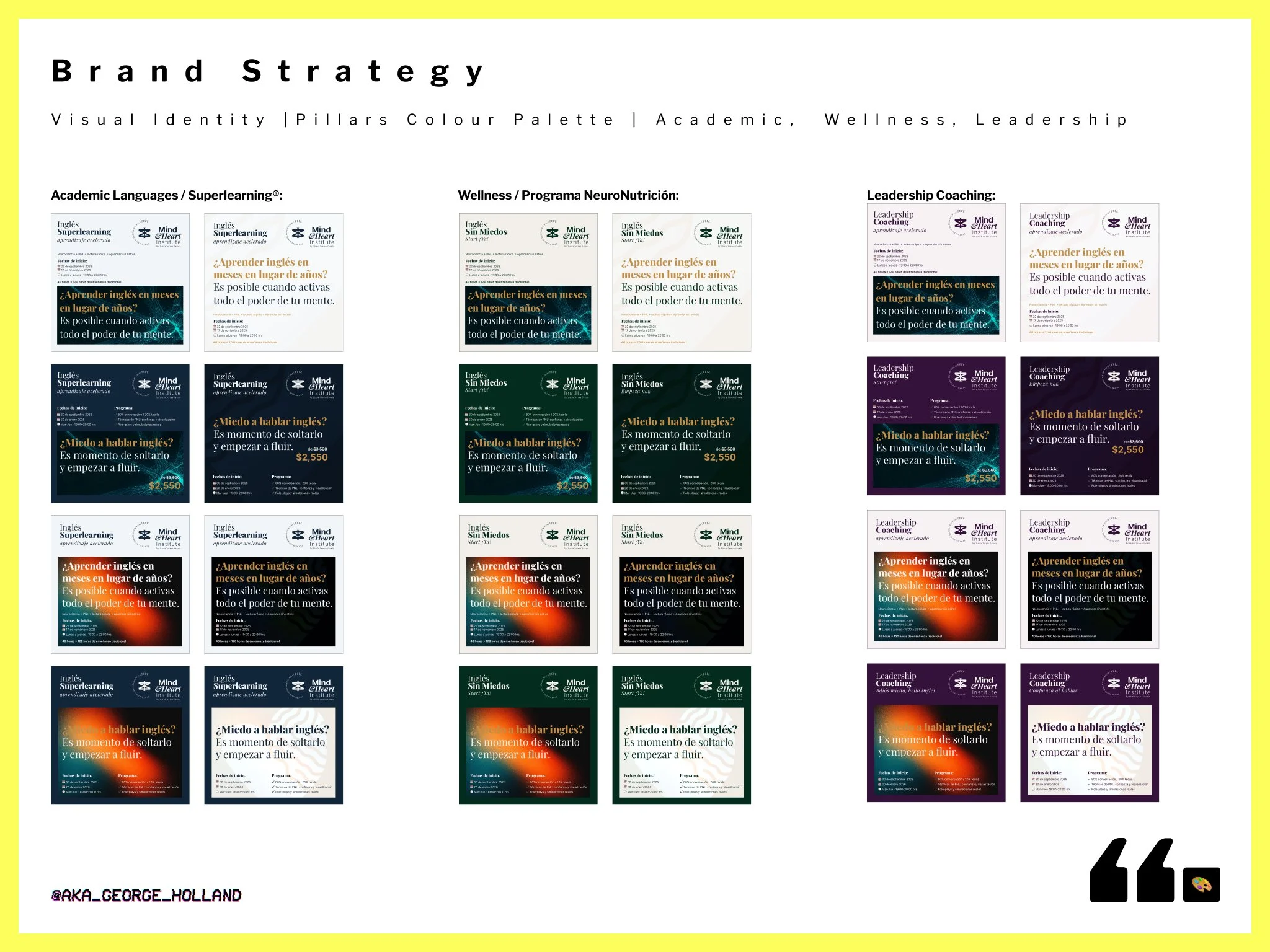
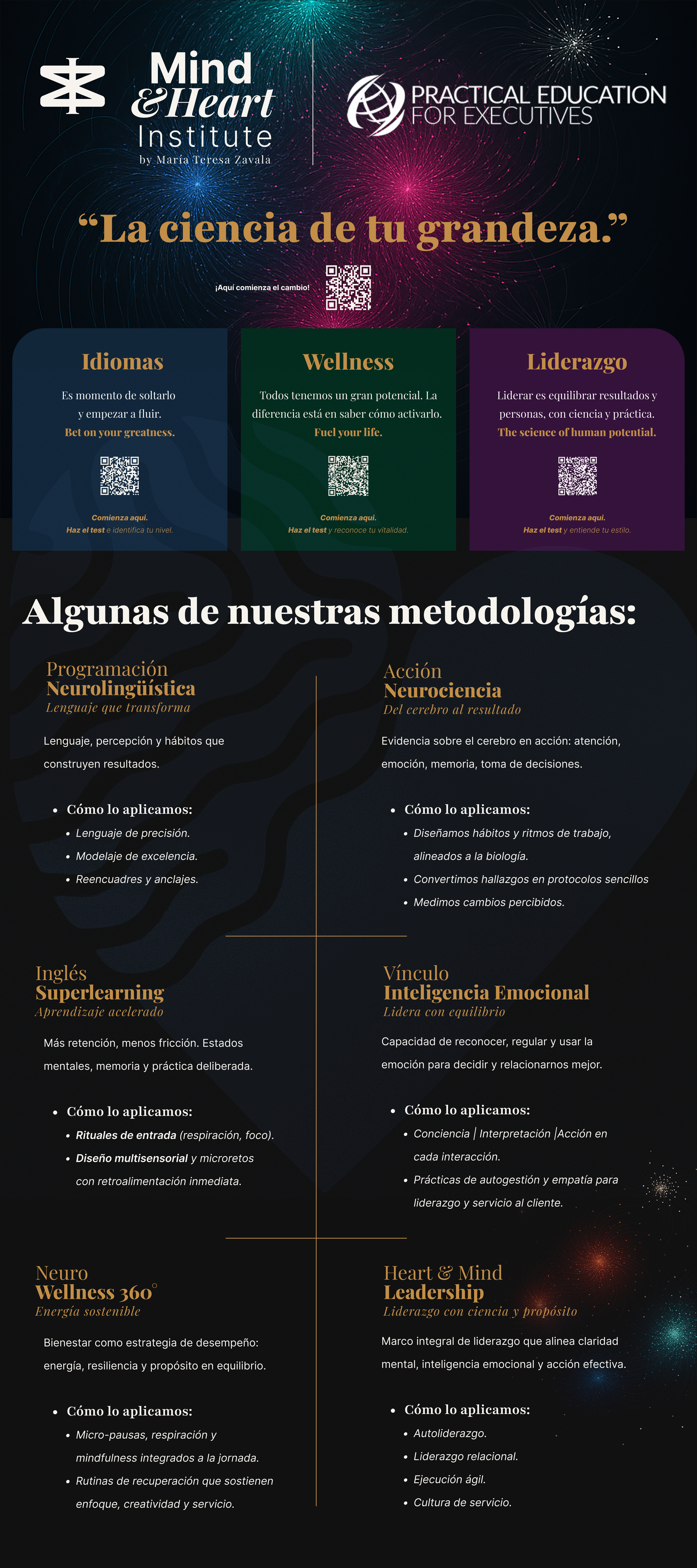
B. Organise everything into 3 pillars.
Languages – Superlearning English & accelerated learning
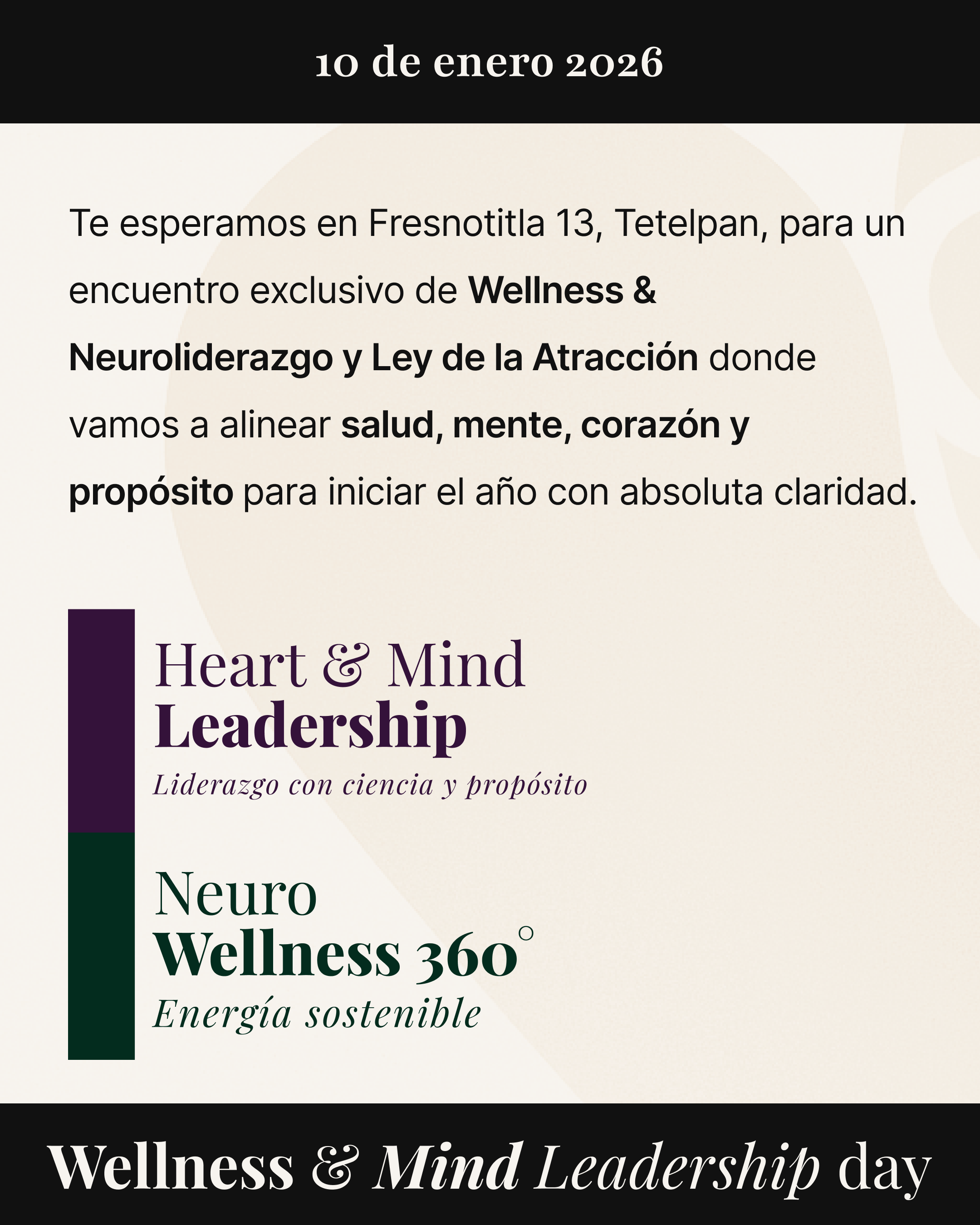
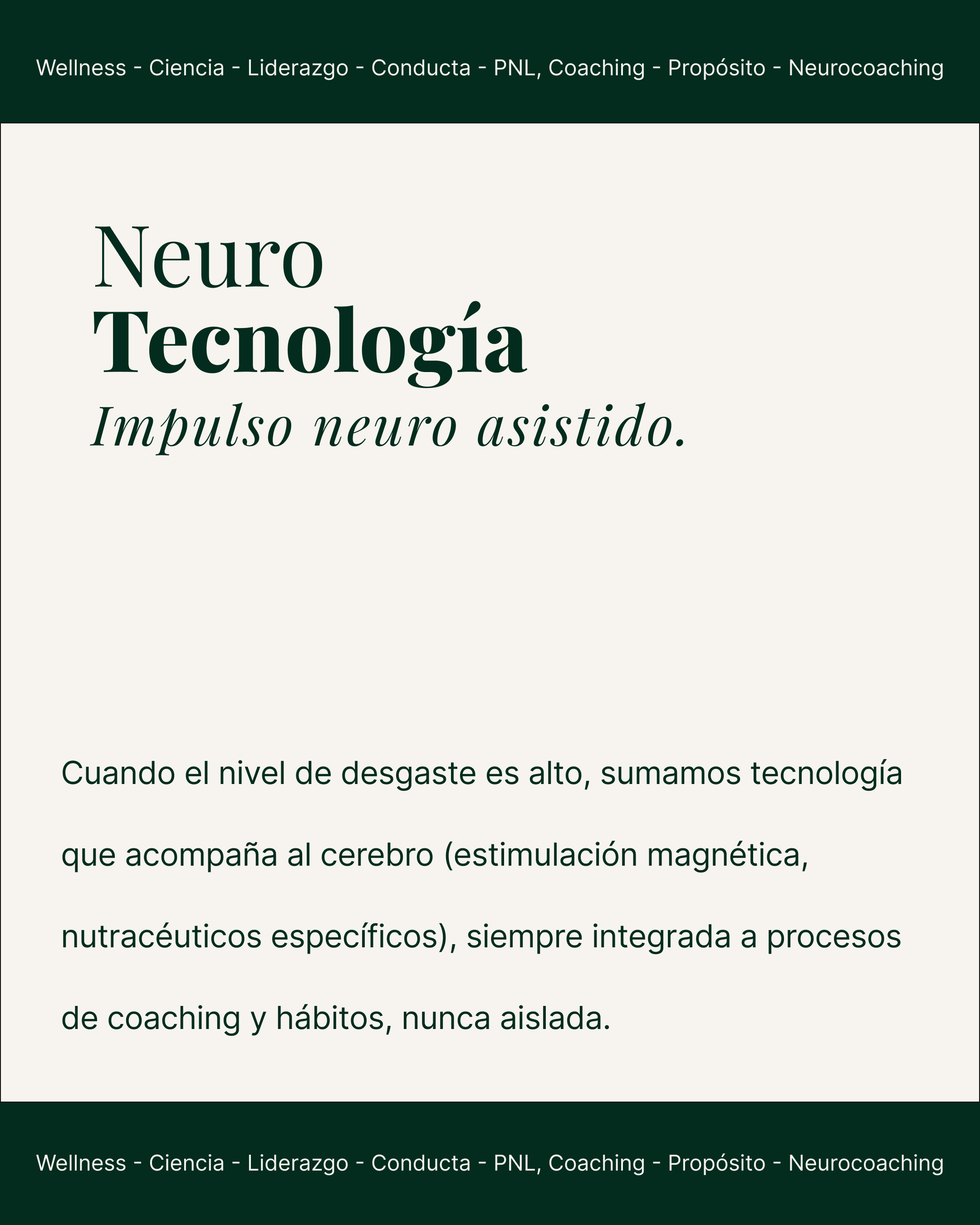
Wellness – NeuroWellness 360°, Fitness Mental, CHPT, rTMS, art & mindfulness
Leadership – NeuroLeadership, Heart & Mind Leadership, outplacement & coaching
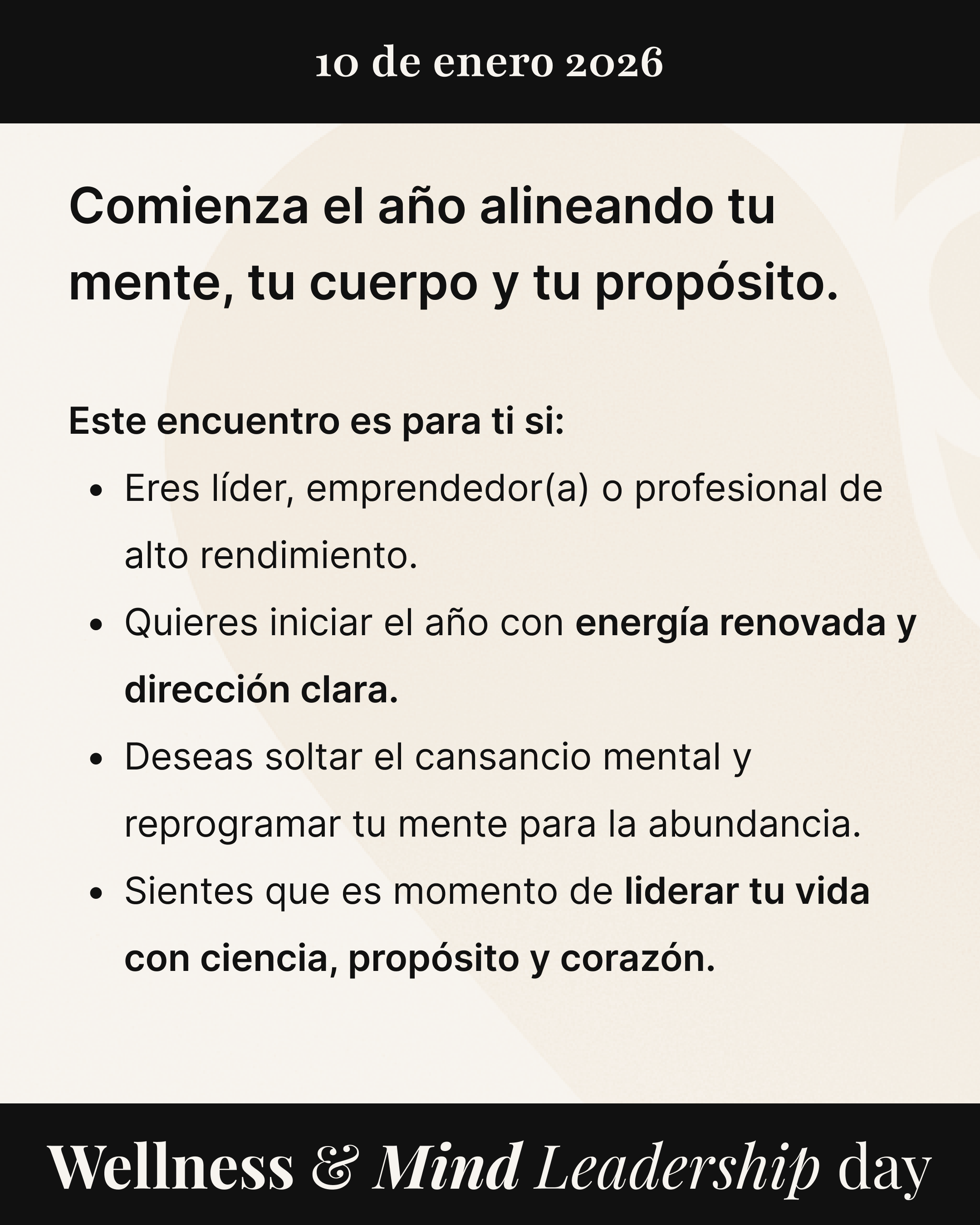
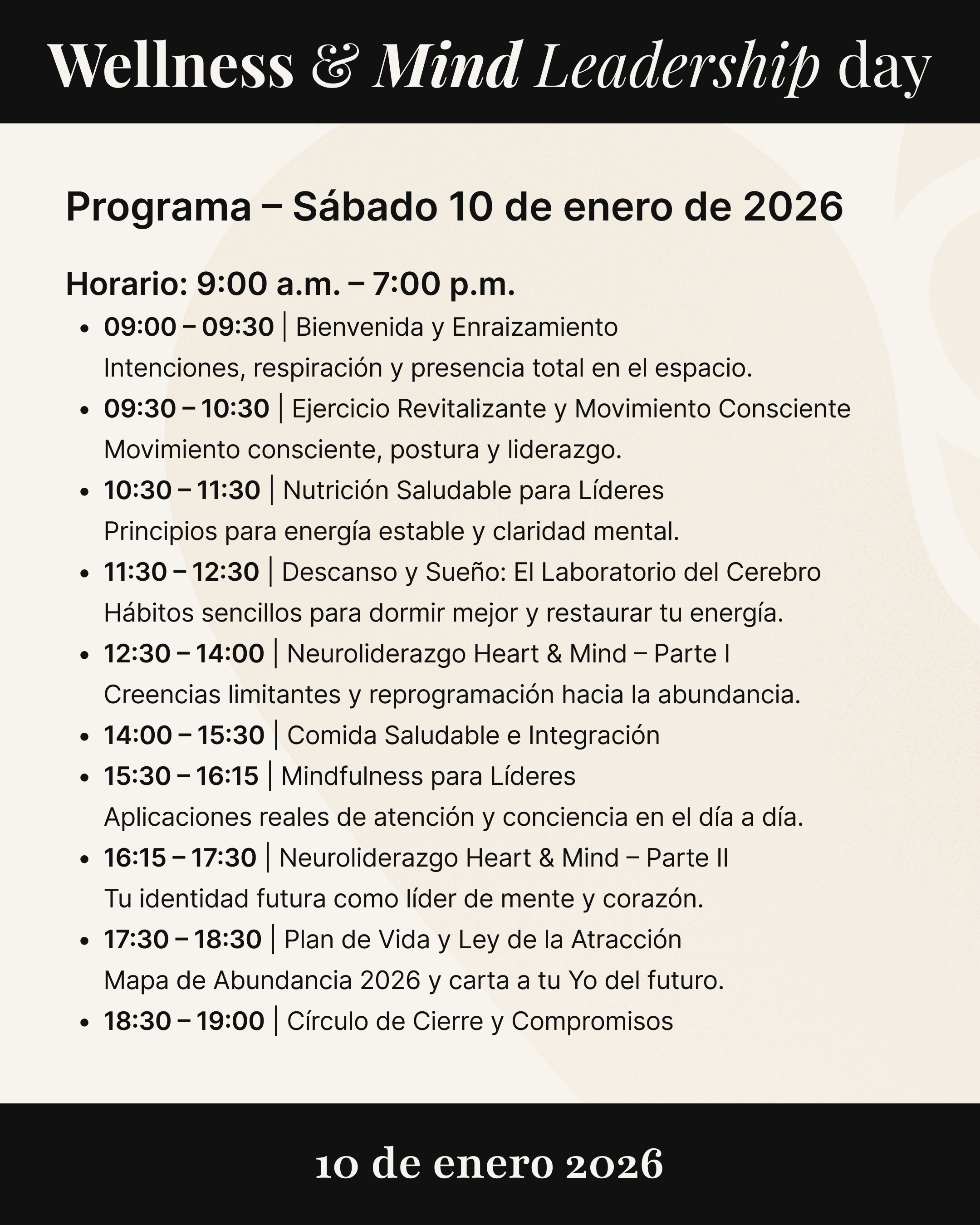
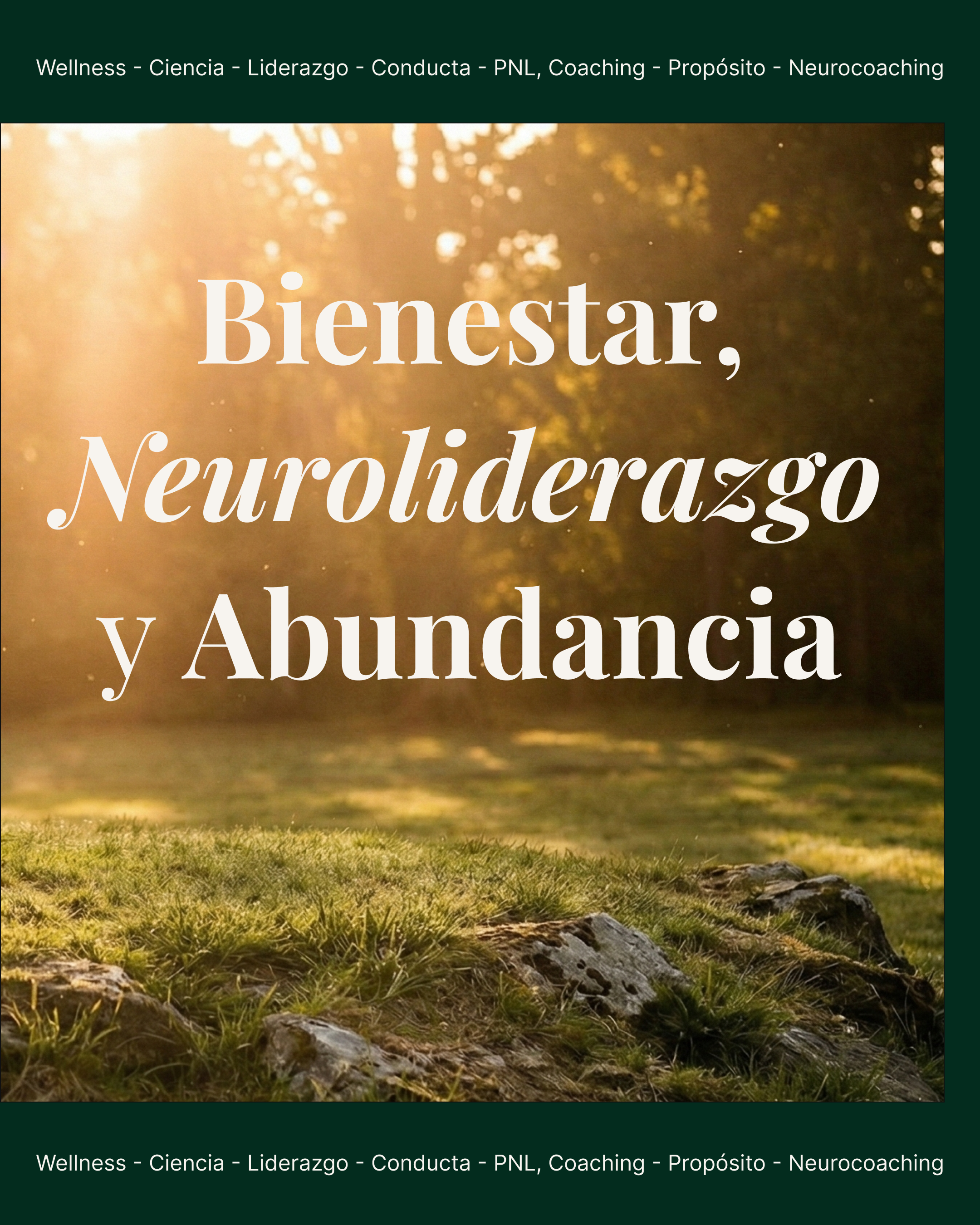
C. Automate creative + marketing workflows with AI
So the brand can generate content at scale, on-brand, on demand.
D. Do it in 8 weeks
Not as a stunt, but as proof that with the right systems, speed and quality can coexist.
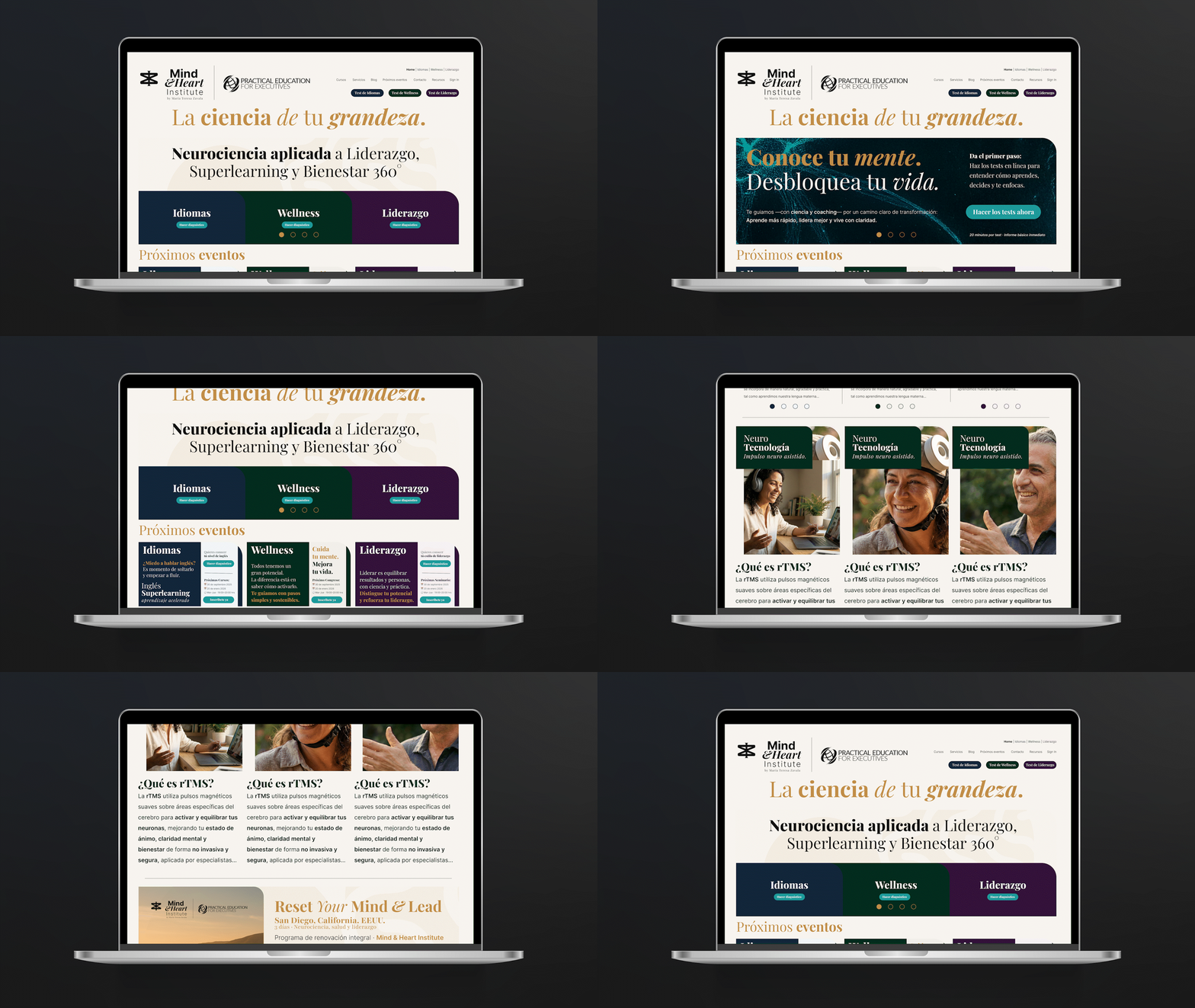
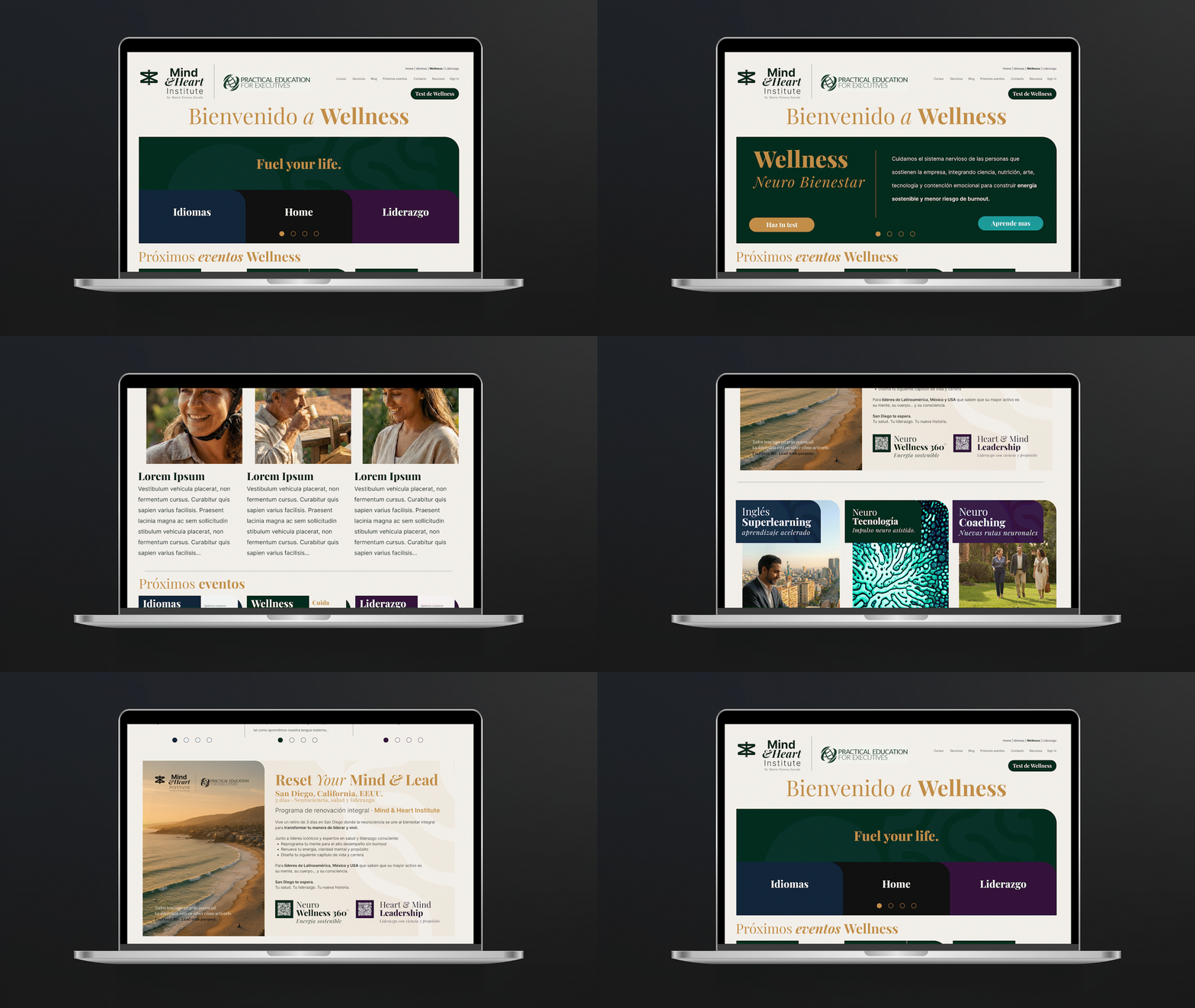
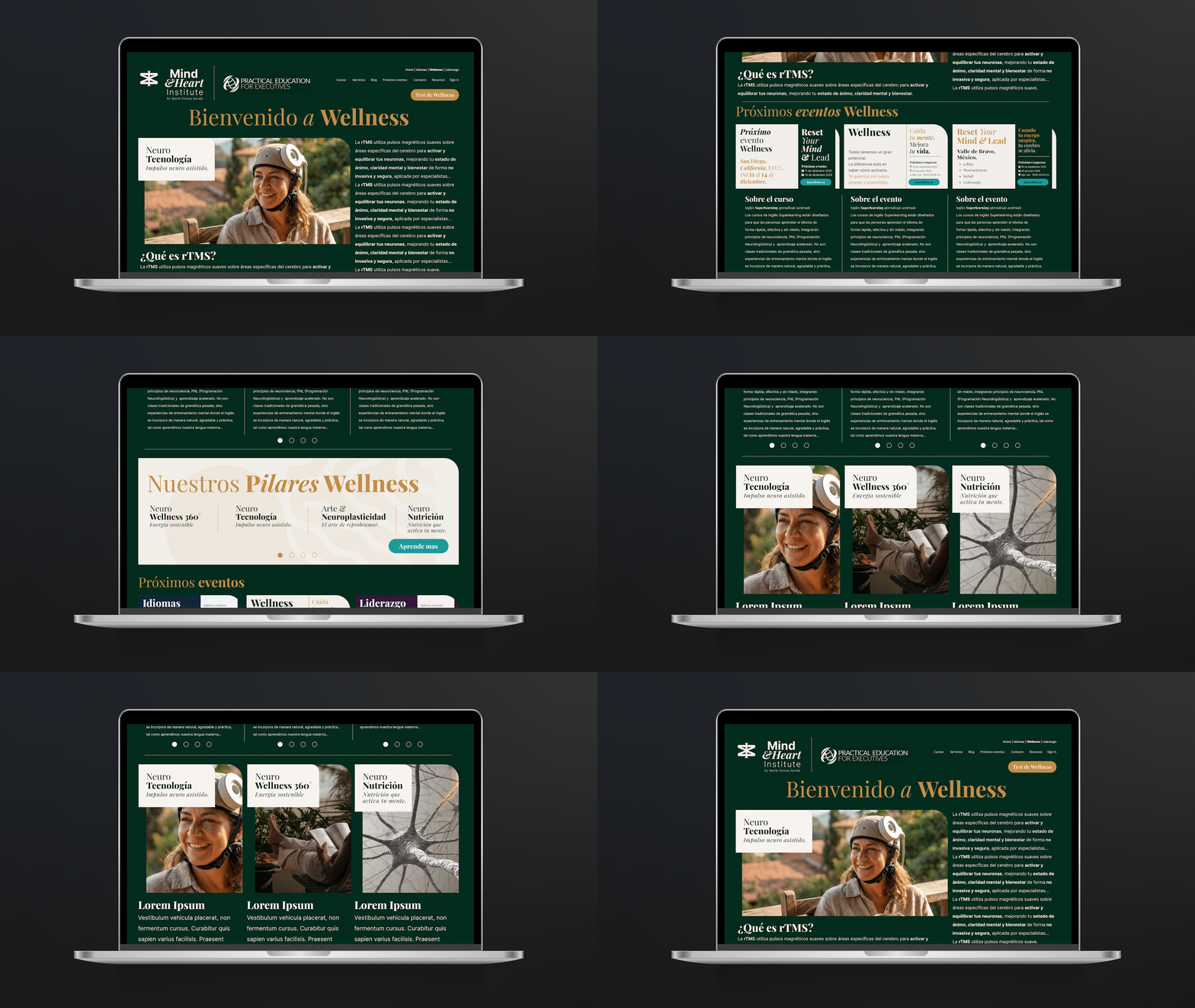
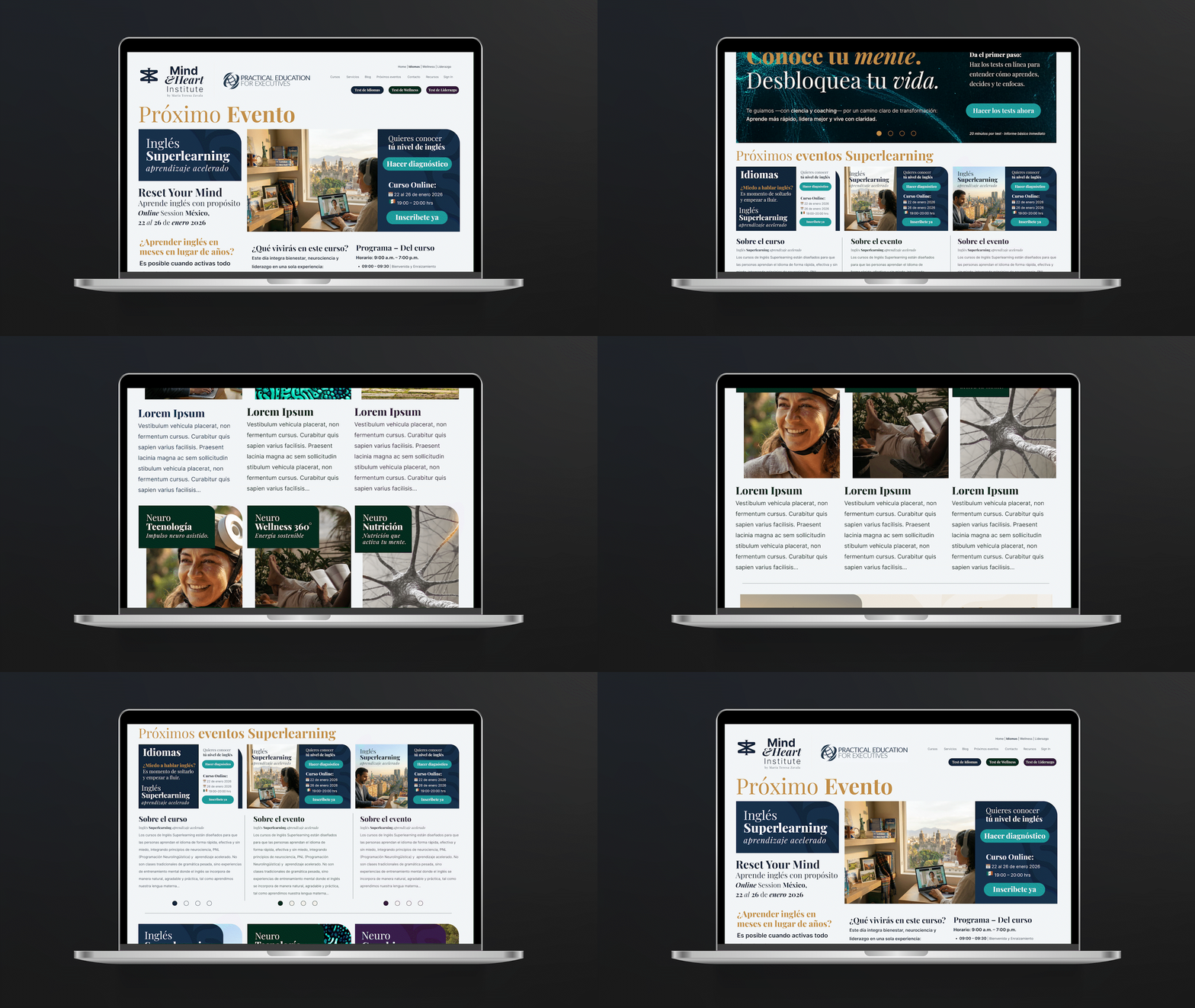
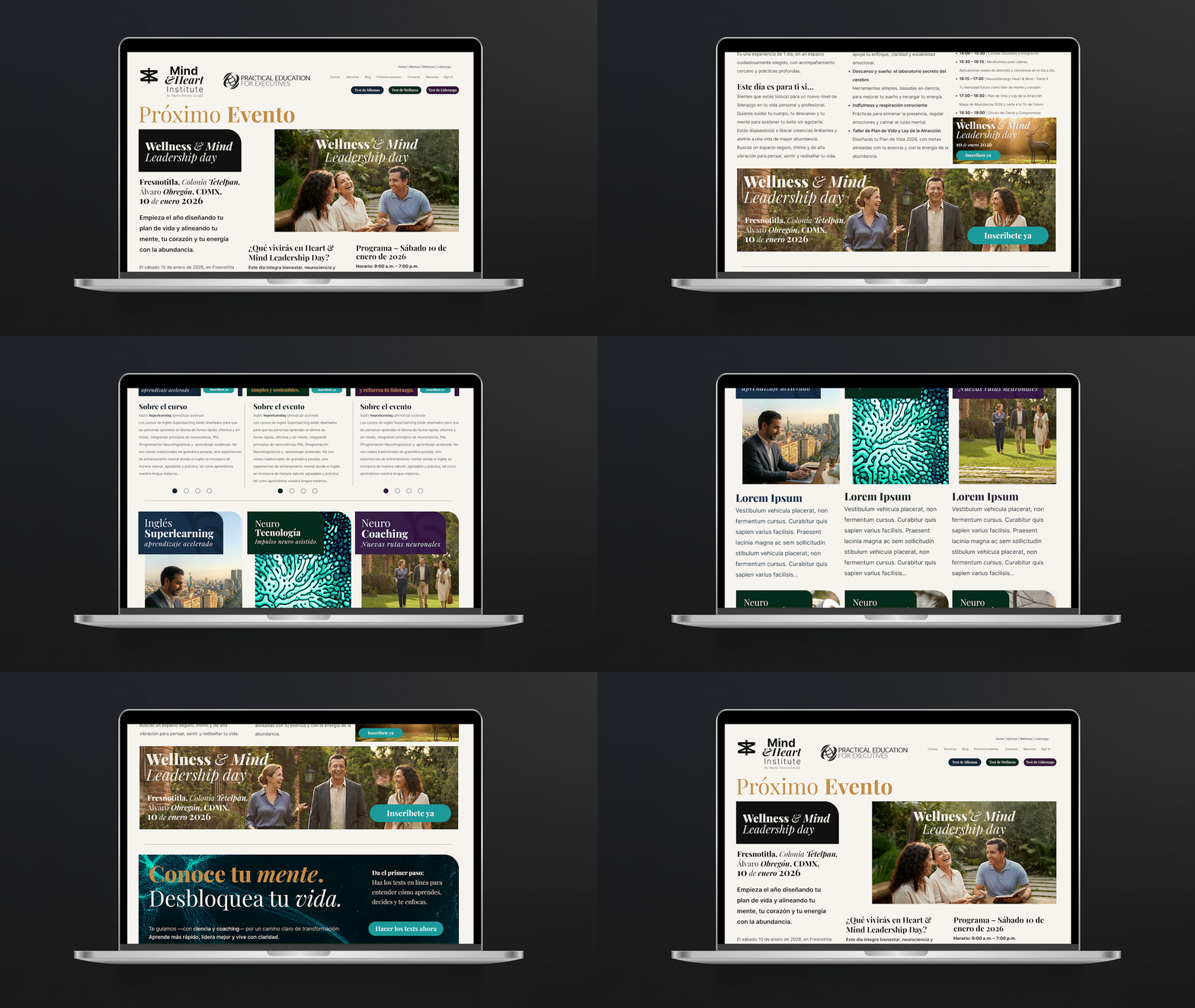

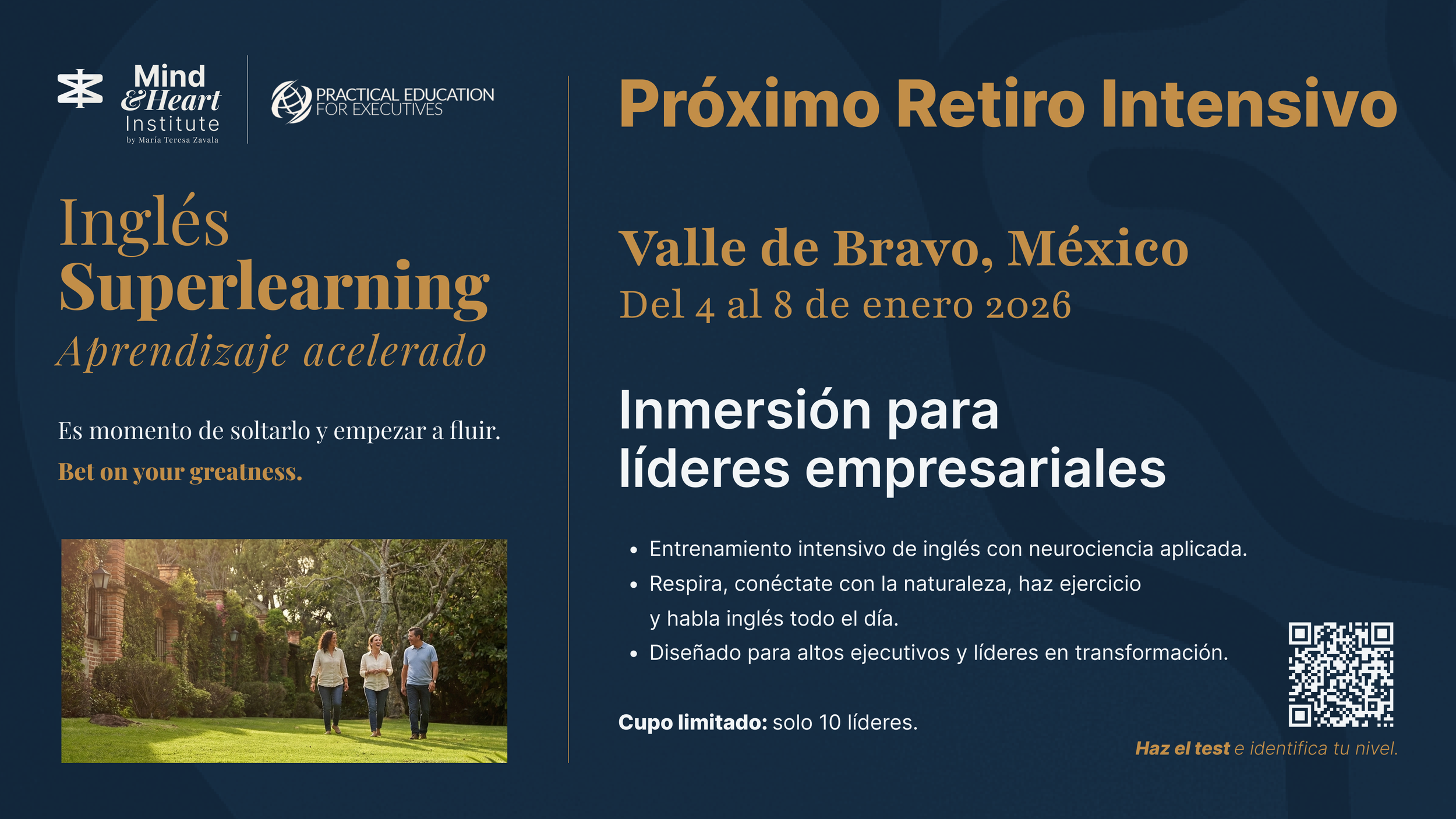
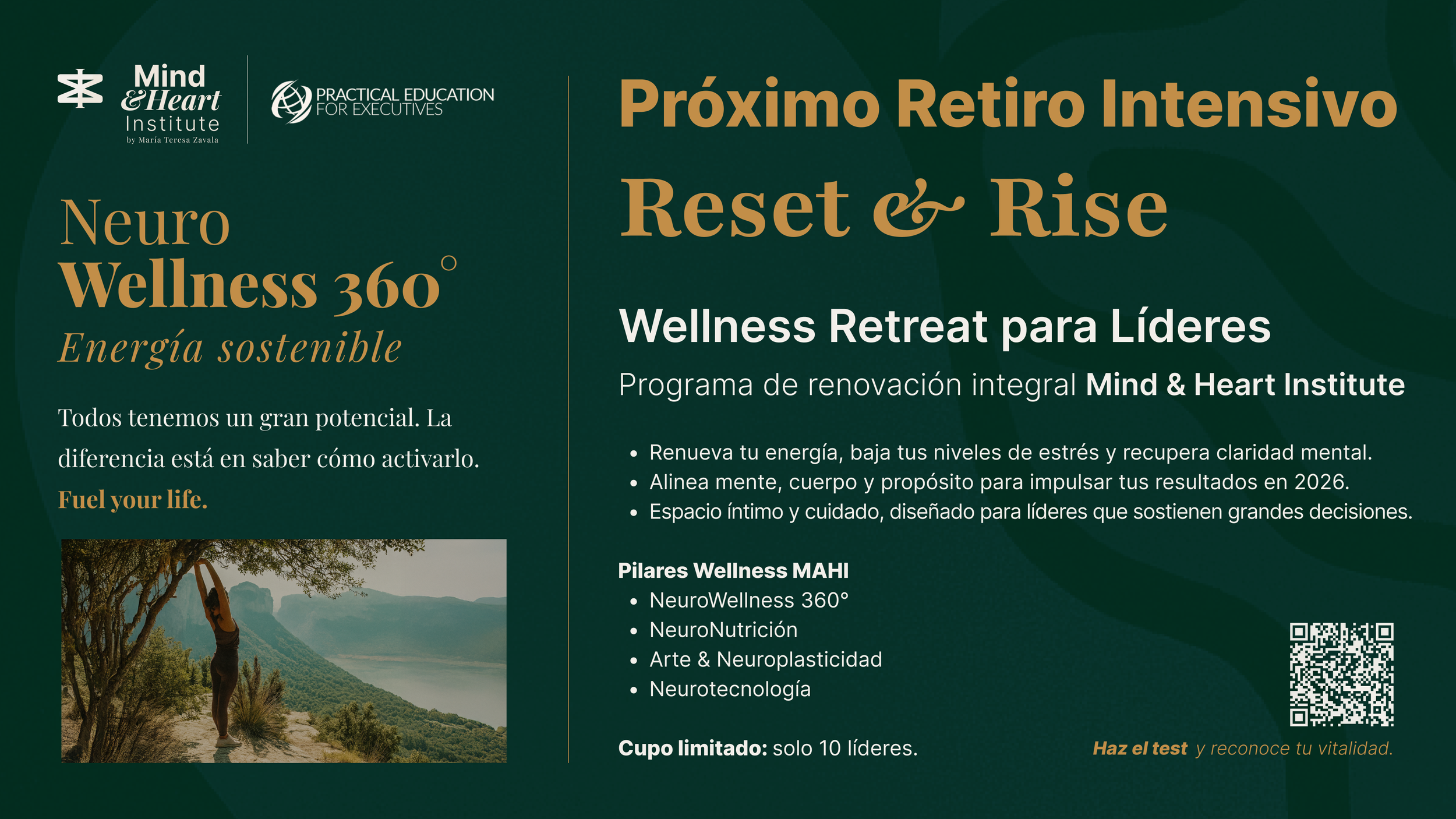
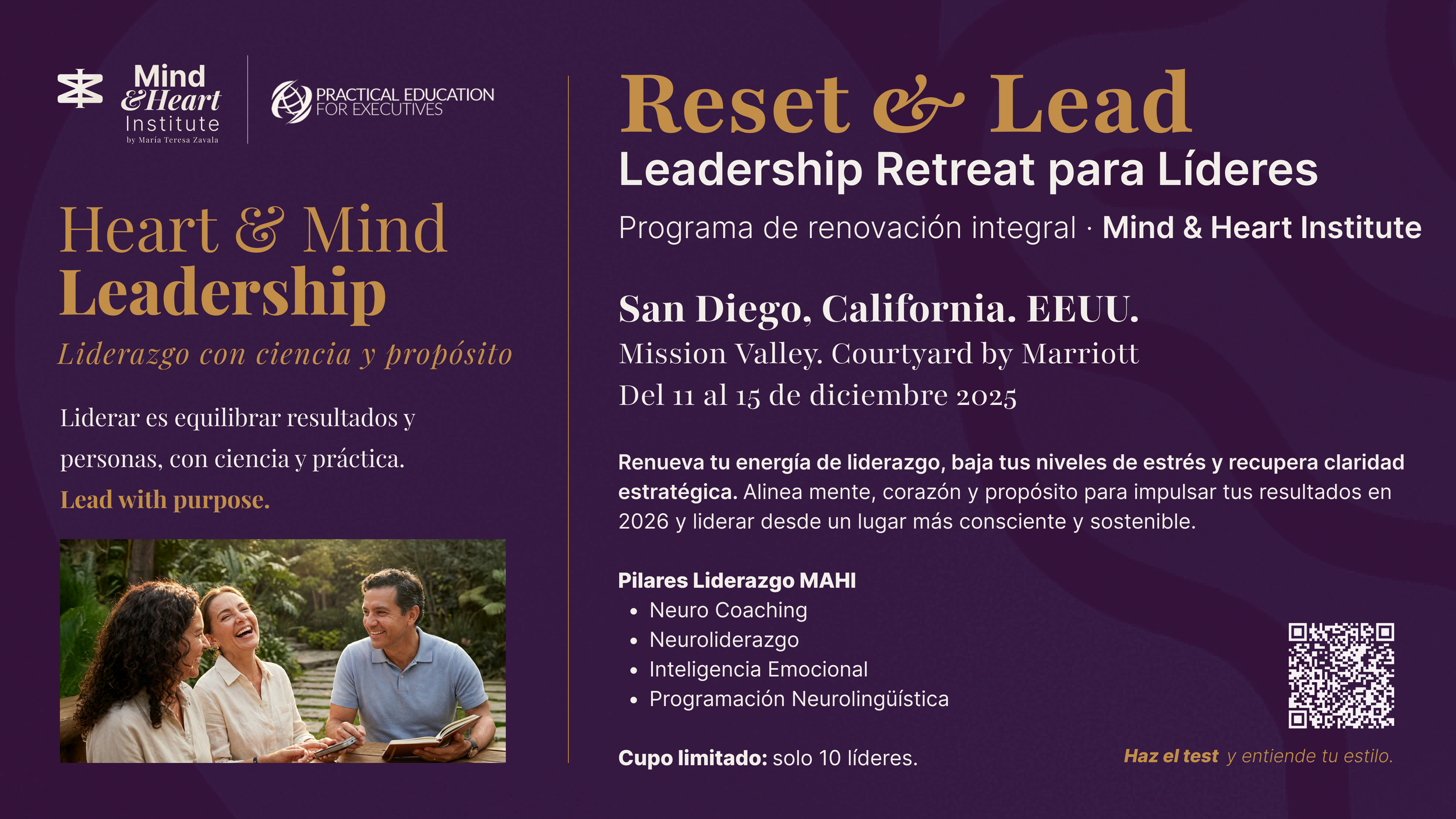


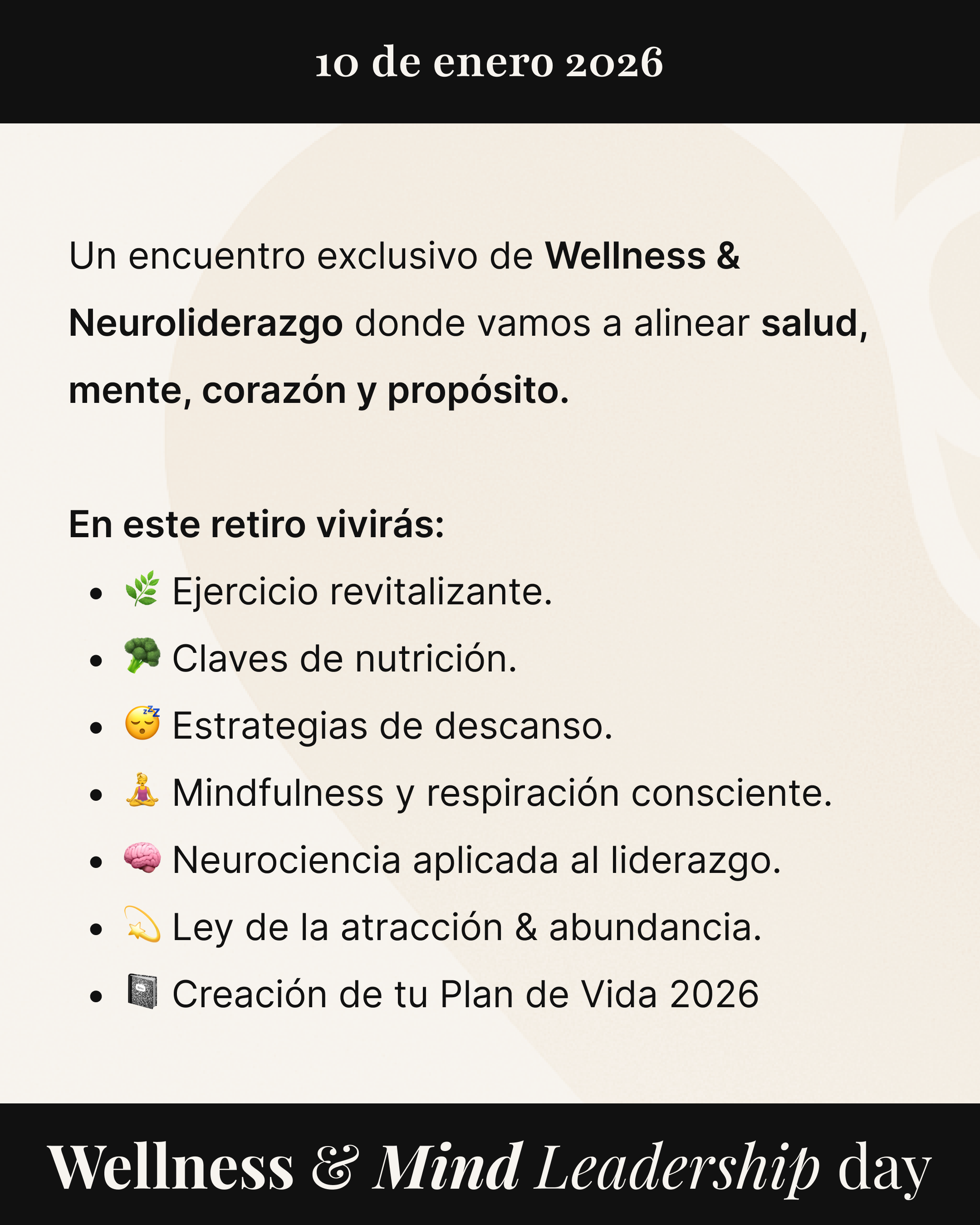
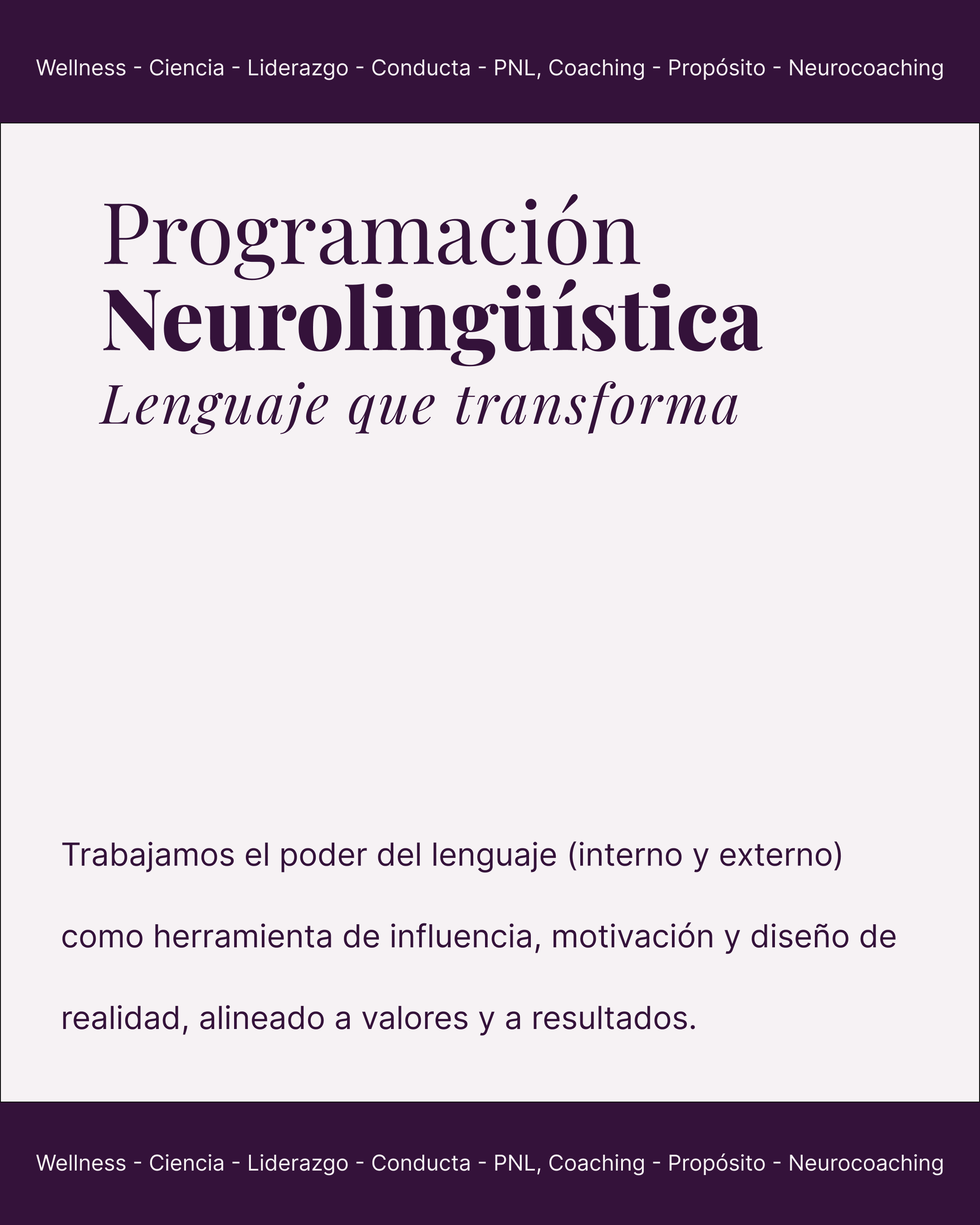
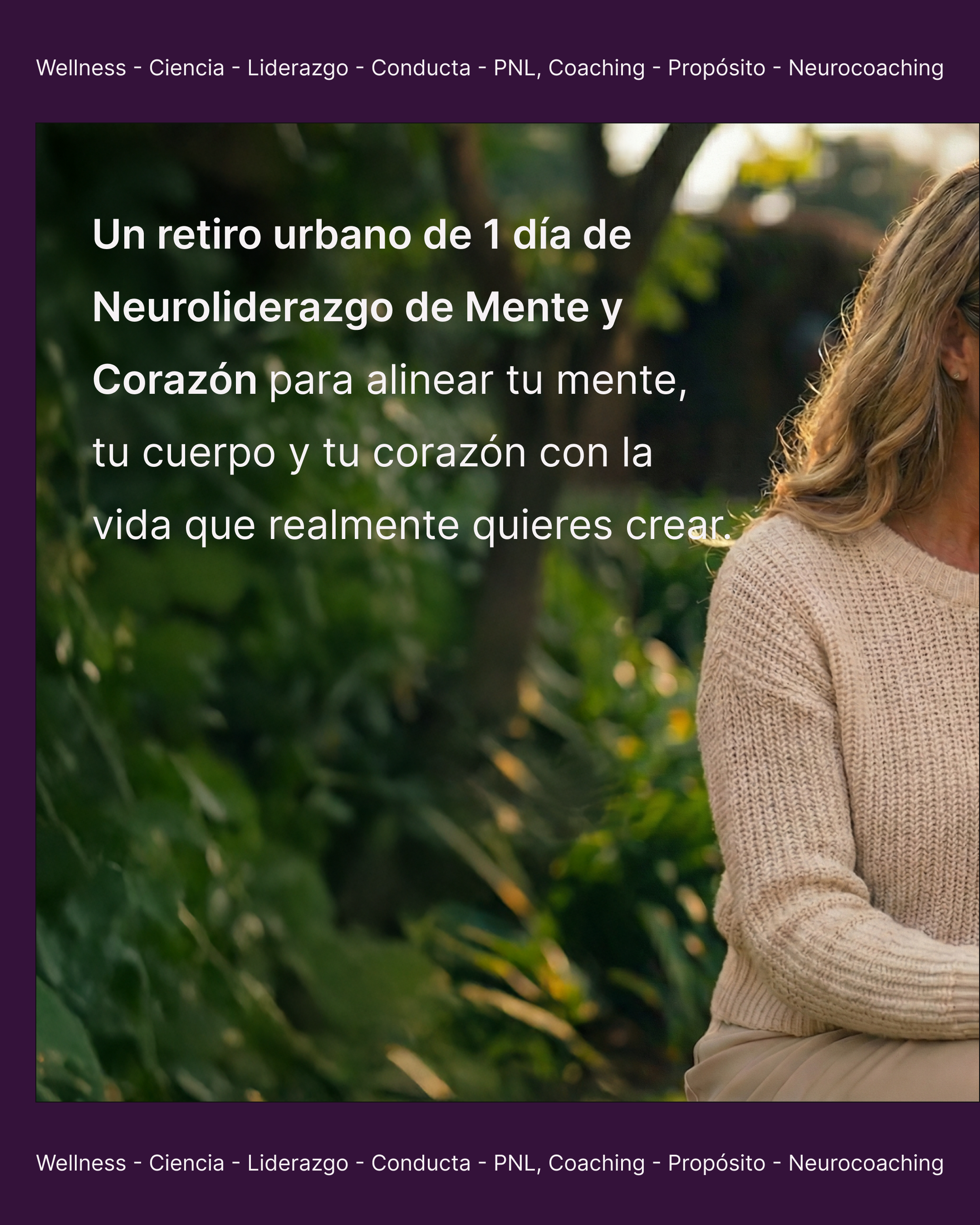

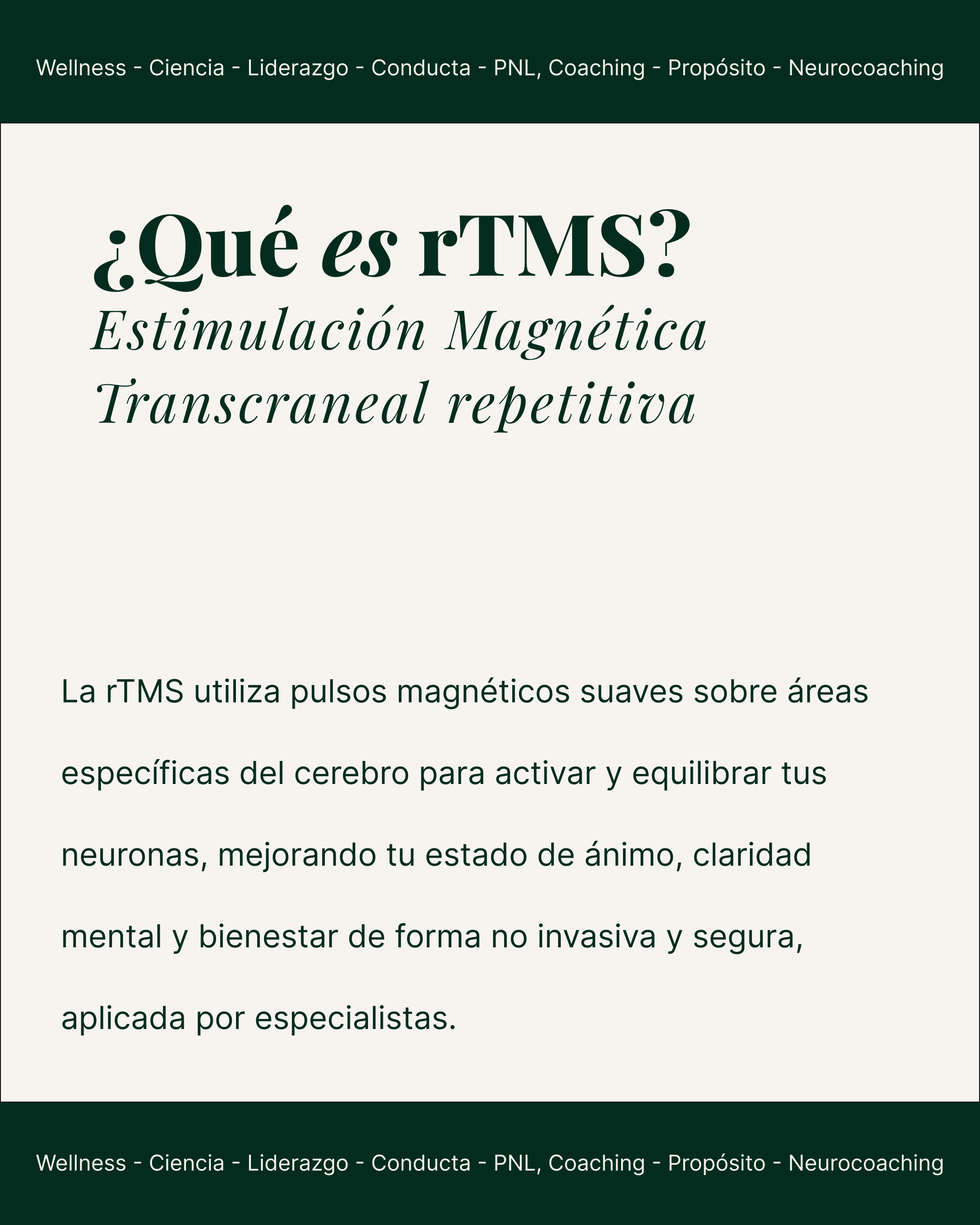
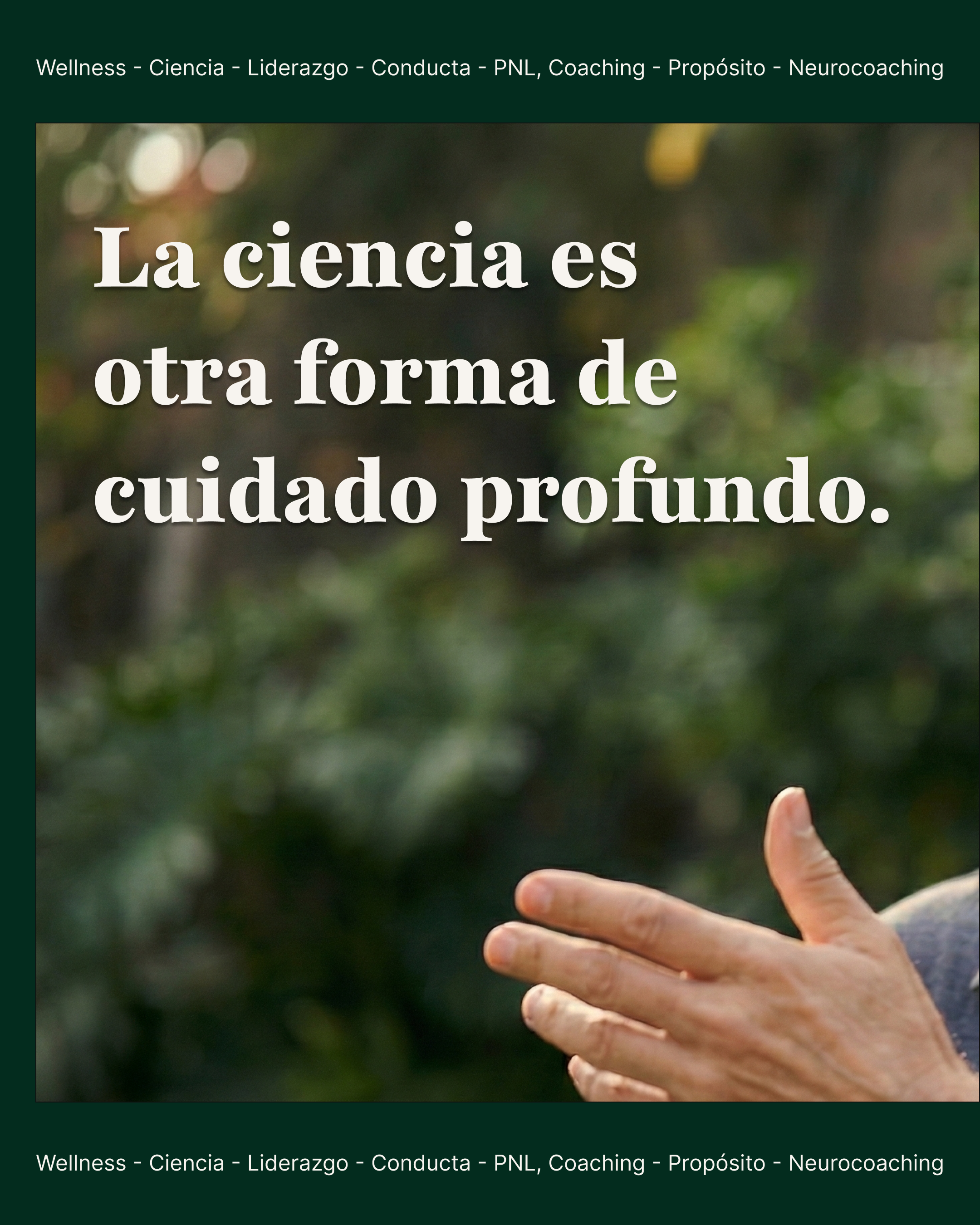


3. Strategy: Turn a Brand into a System
You don’t fix complexity by “adding more design”. You fix it with structure.
Brand Architecture
First move: create a simple mental model.
Every program, product and service had to “live” under Languages, Wellness or Leadership.
Each pillar got:
A clear promise
A tone of voice
Hero offers (flagship programs and retreats)
Result: clients stop seeing “a list of things” and start seeing a roadmap.
“I want to improve my English.” → Languages
“I want mental energy and emotional balance.” → Wellness
“I want to lead better and avoid burnout.” → Leadership
One institute. Three doors. Zero confusion.
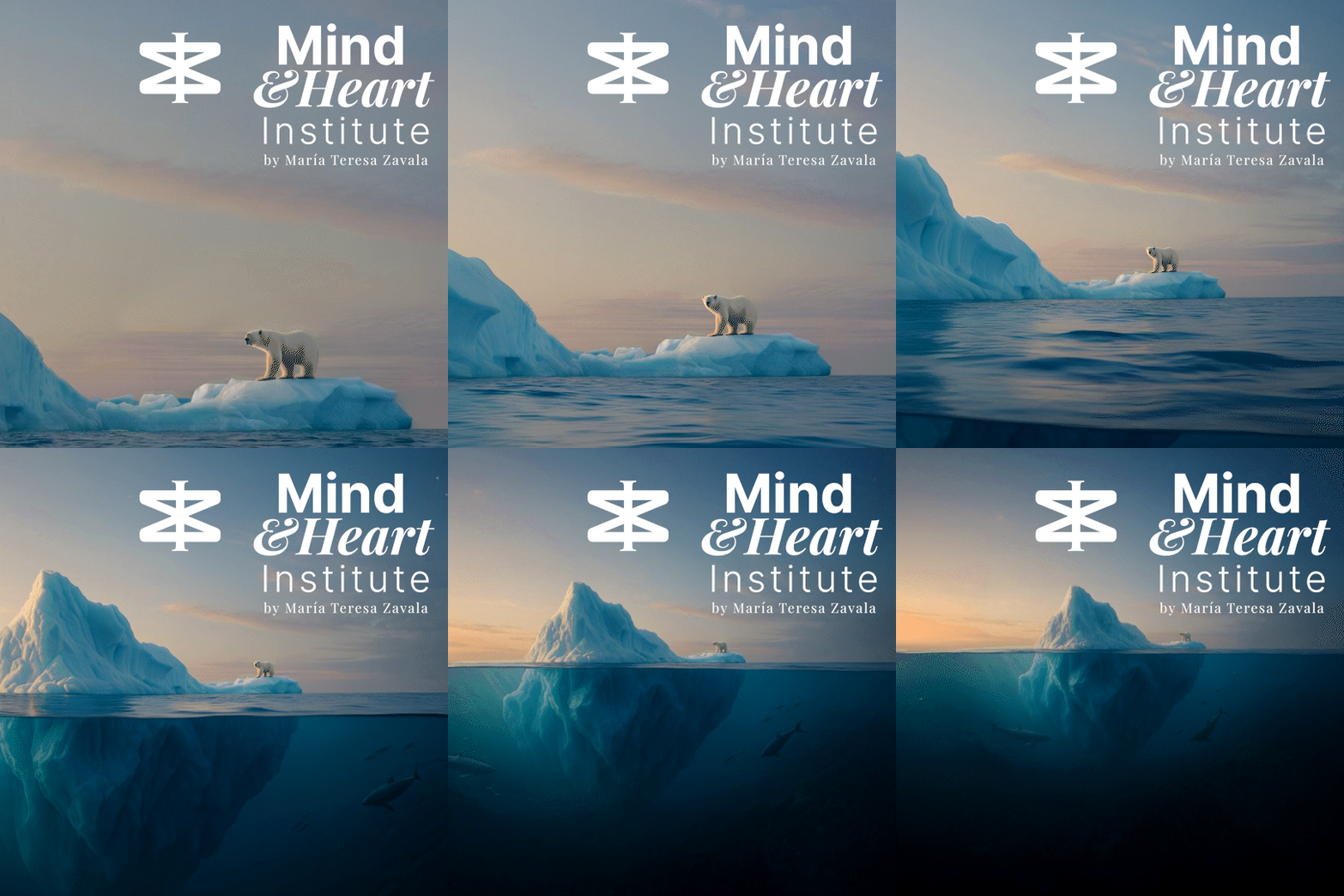

4. AI as a Creative Partner
Most people use AI as a novelty. I turned it into infrastructure.
Here’s where it gets fun.
Most people bolt AI onto a broken process. I did the opposite:
Fix the process. Then wire AI into it.
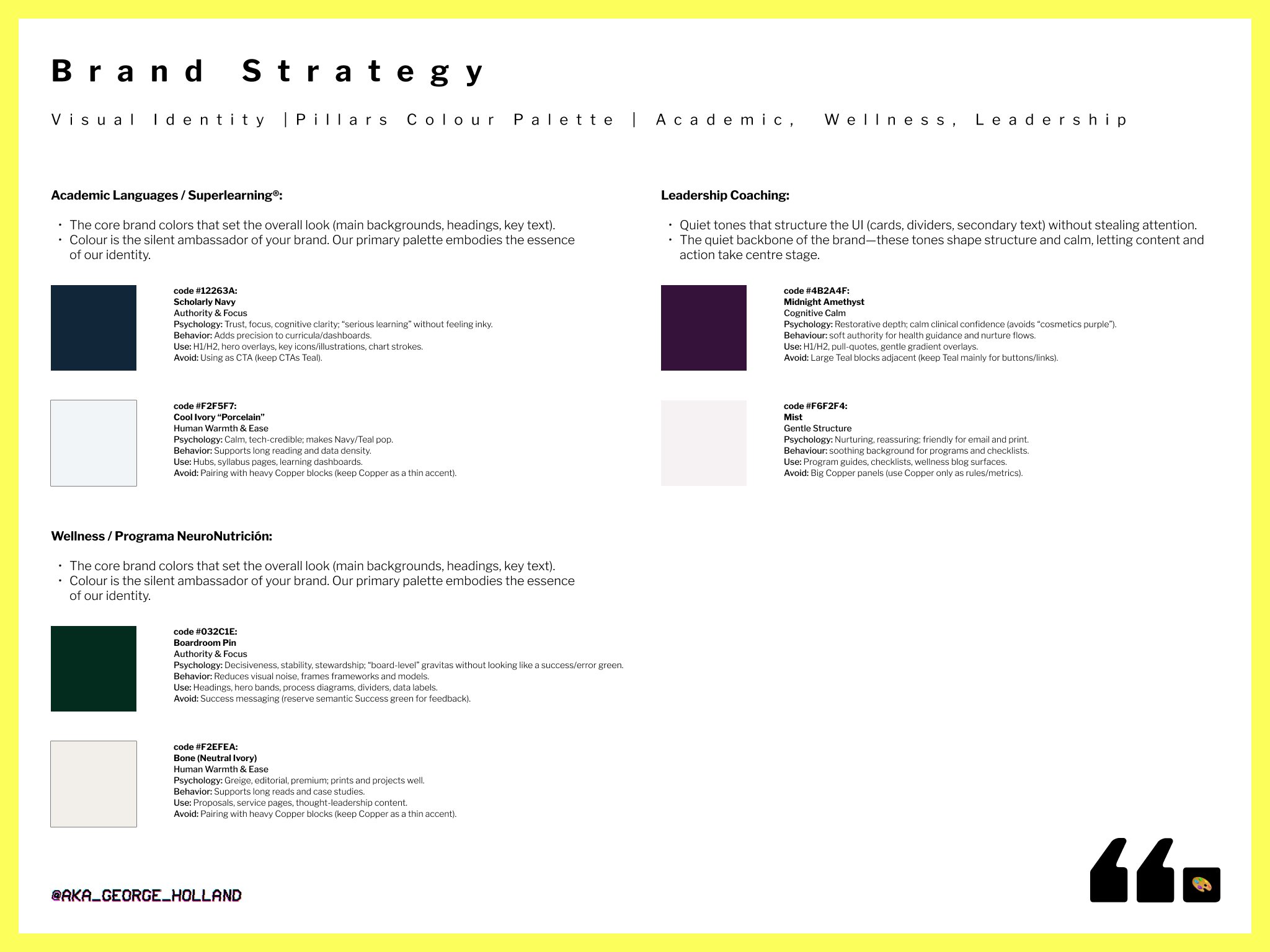
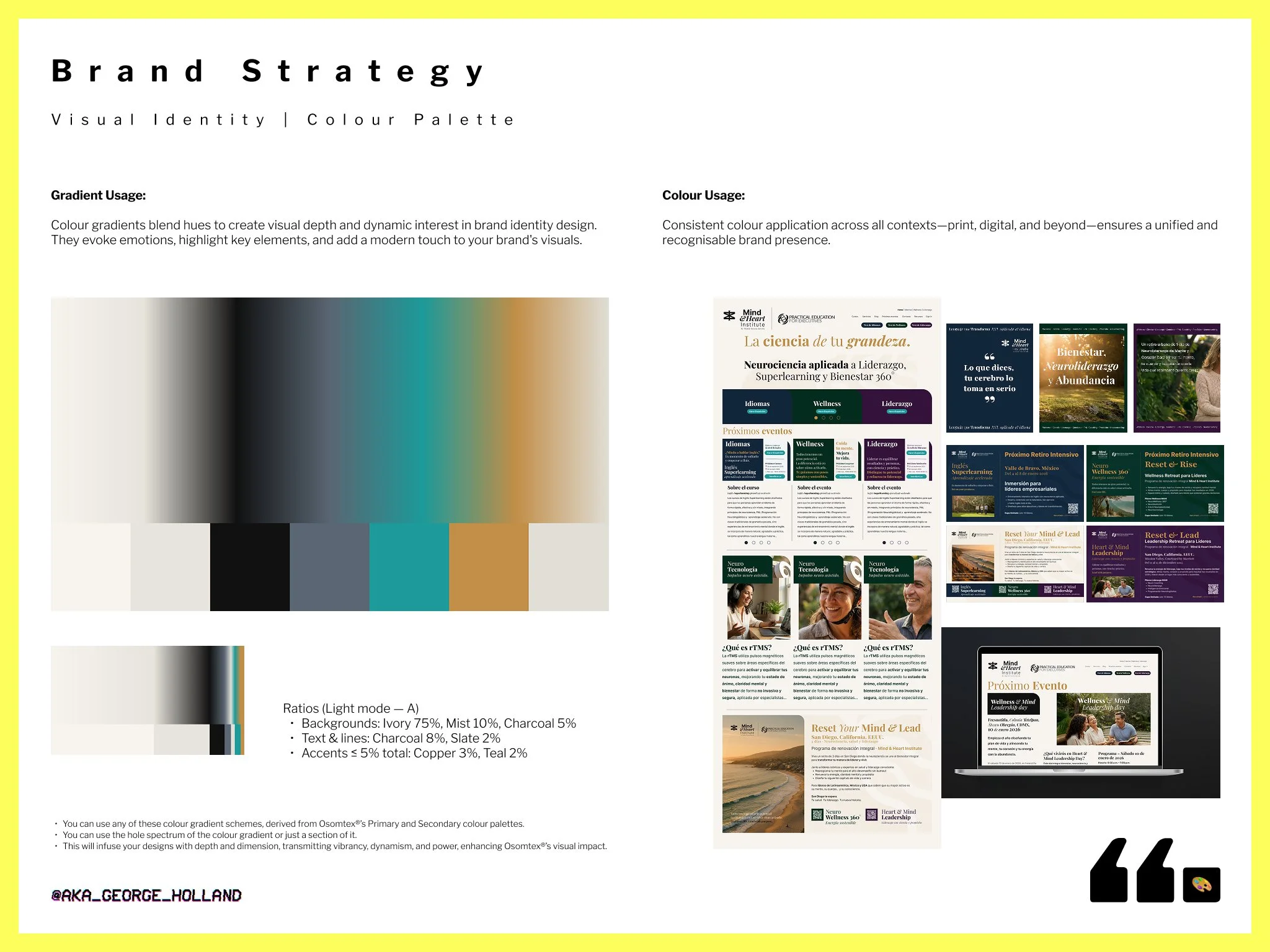
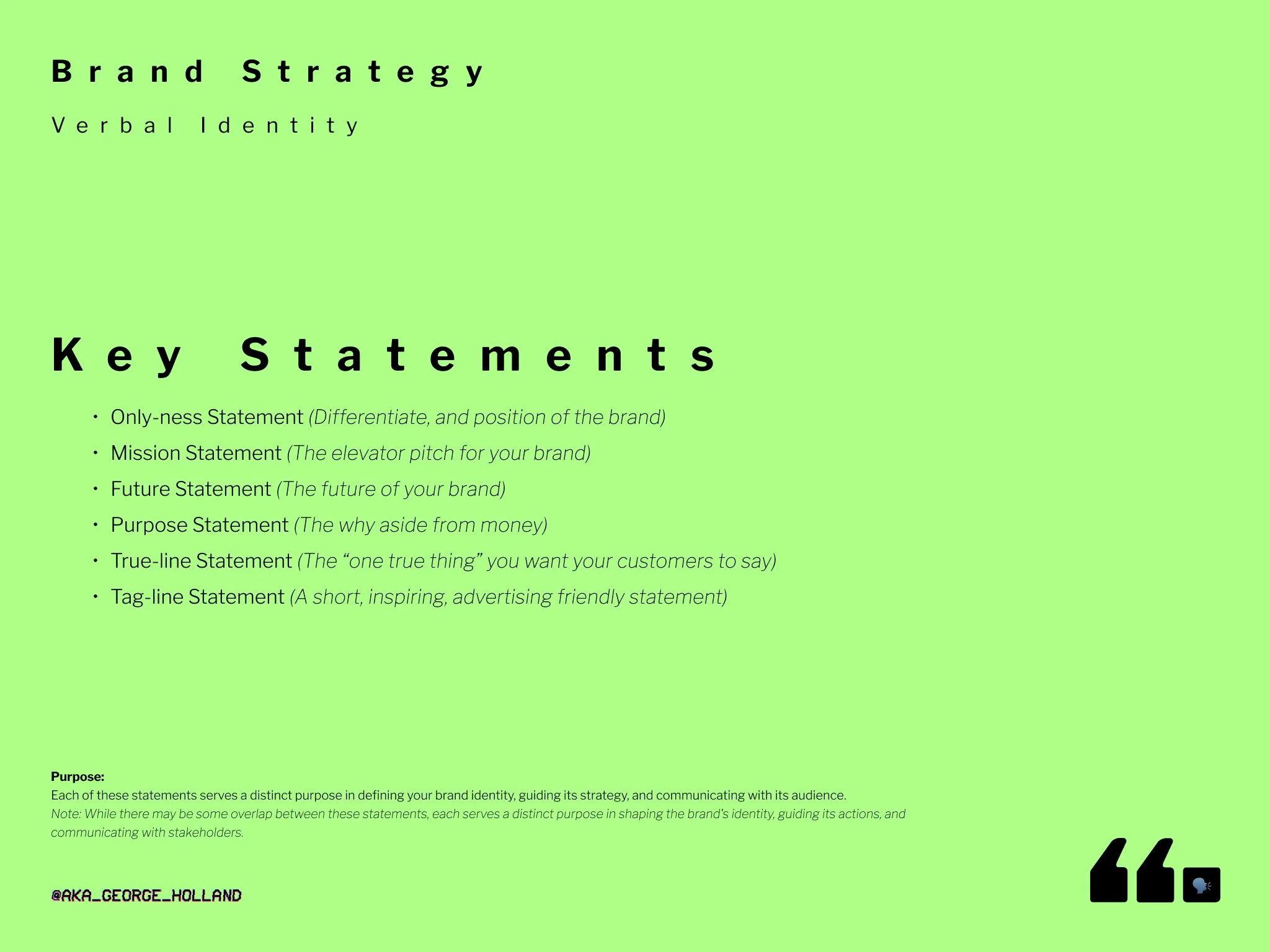
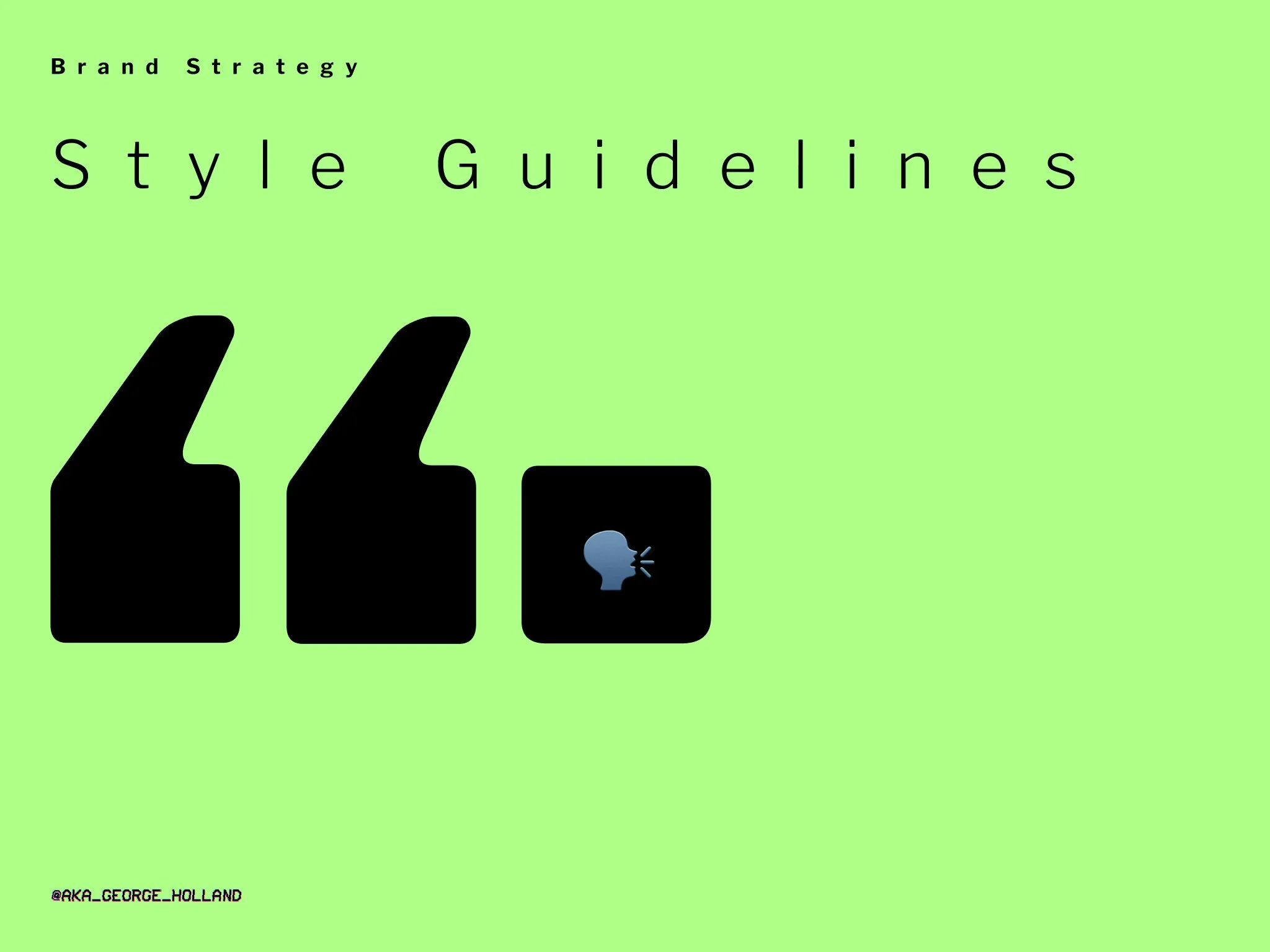
A. The Brand Guardrails
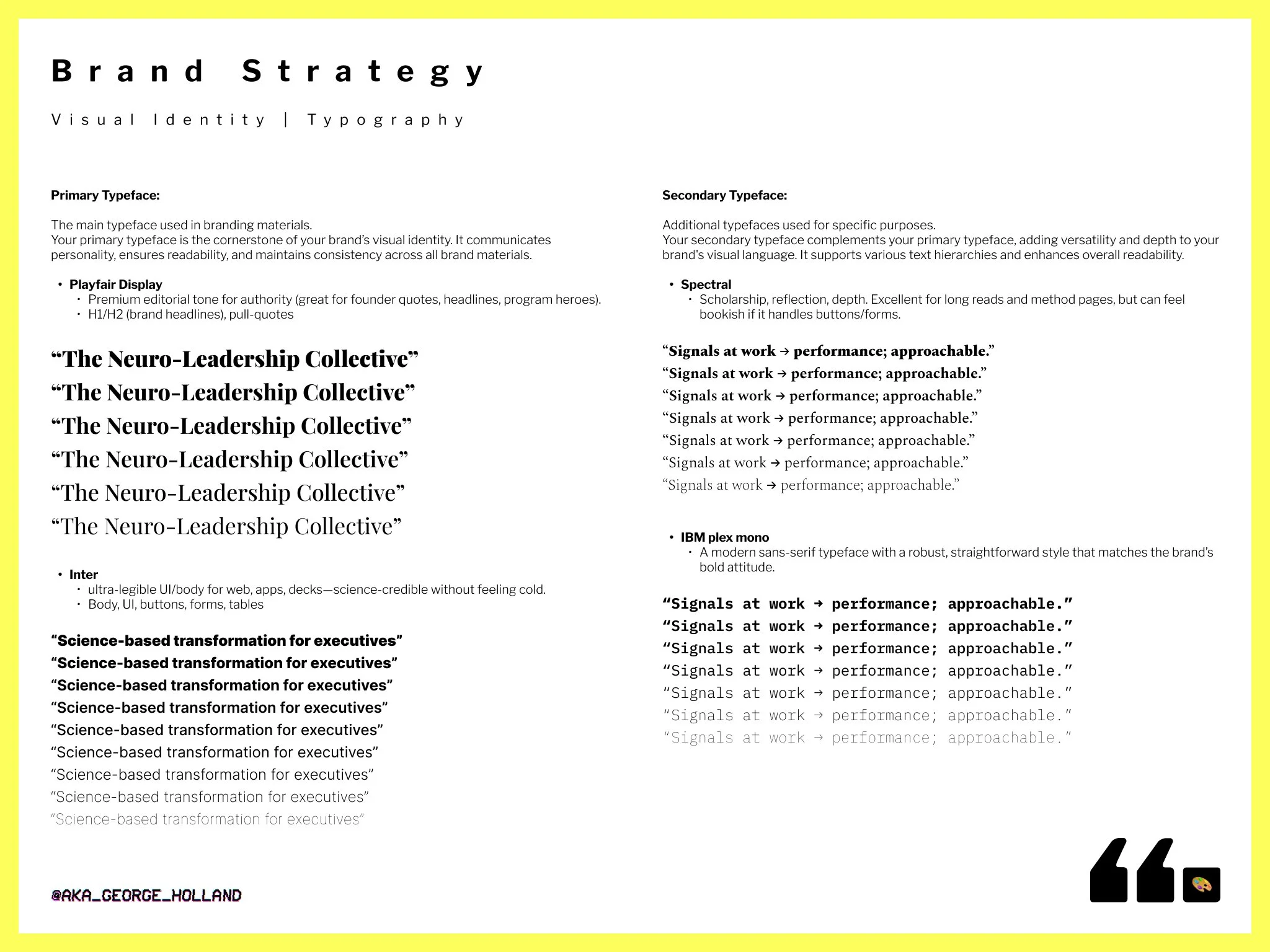
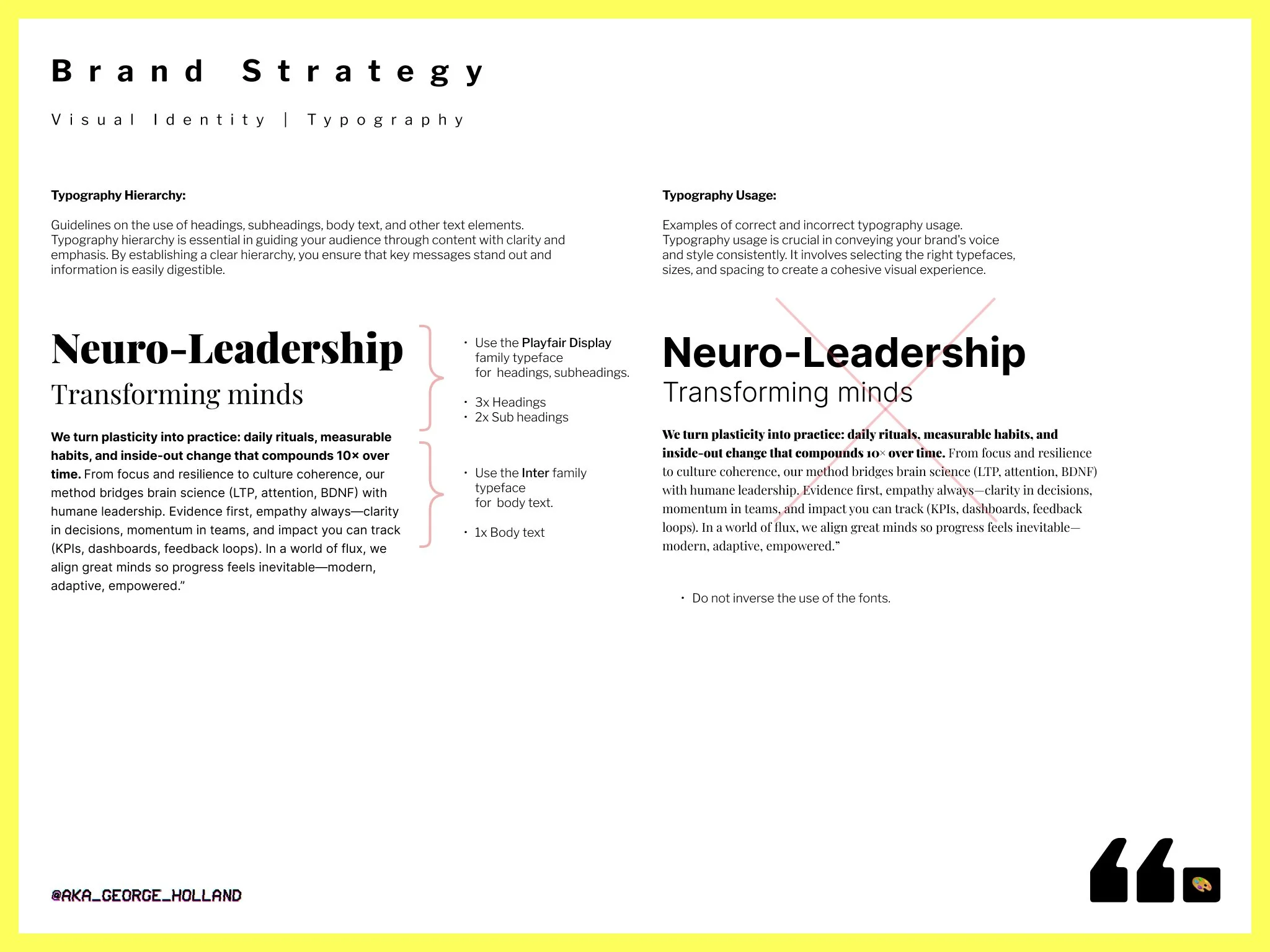
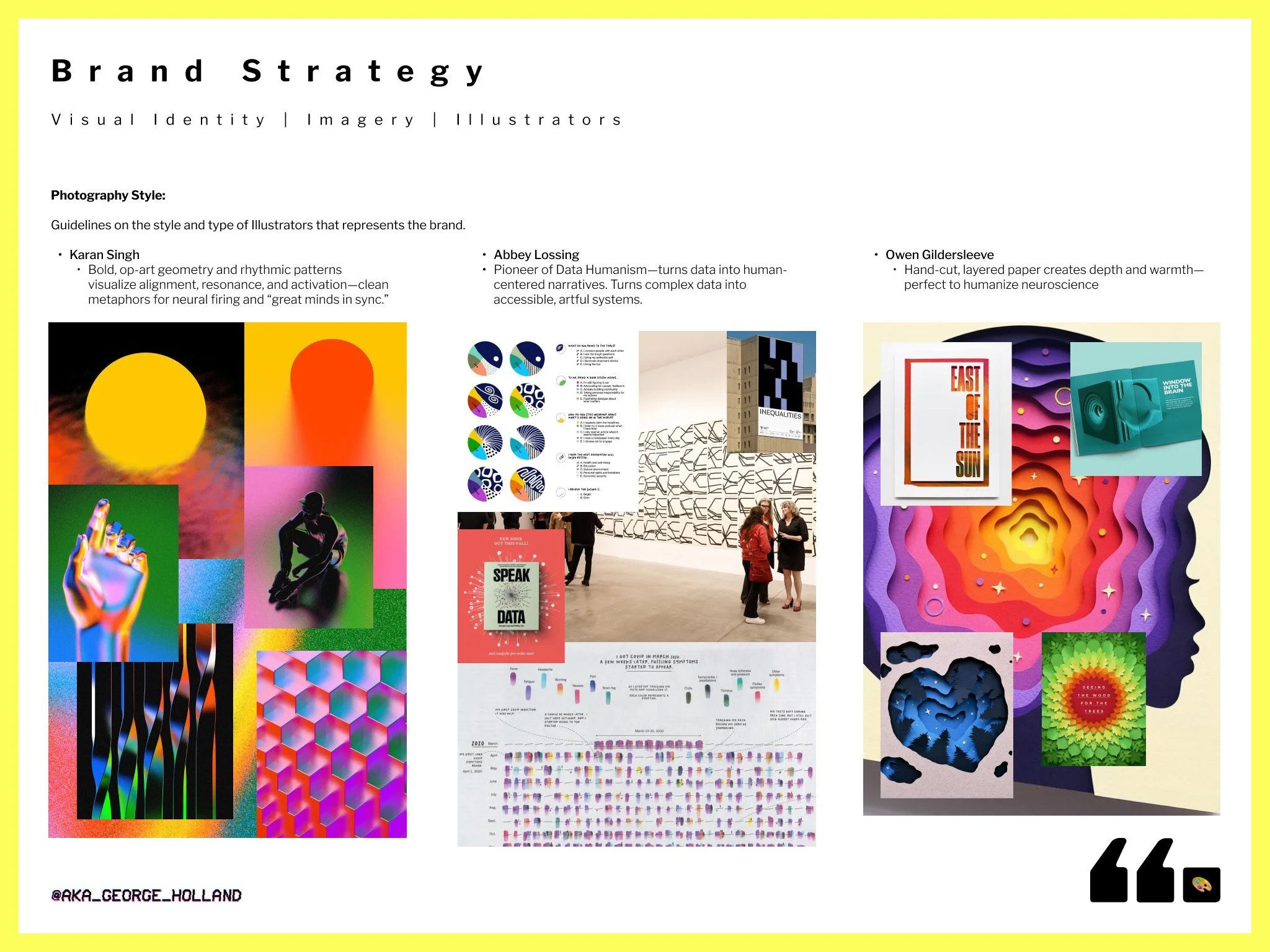
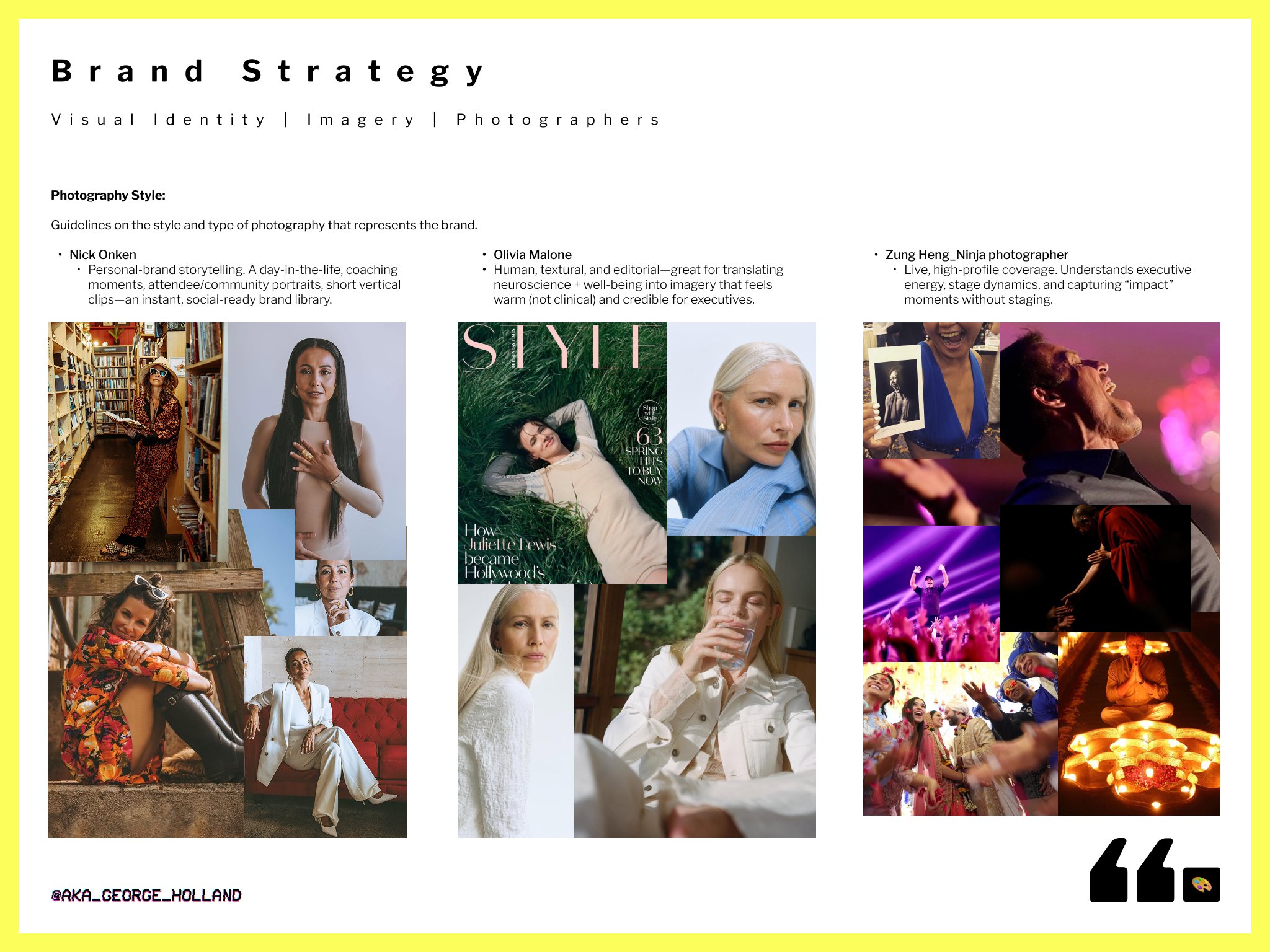
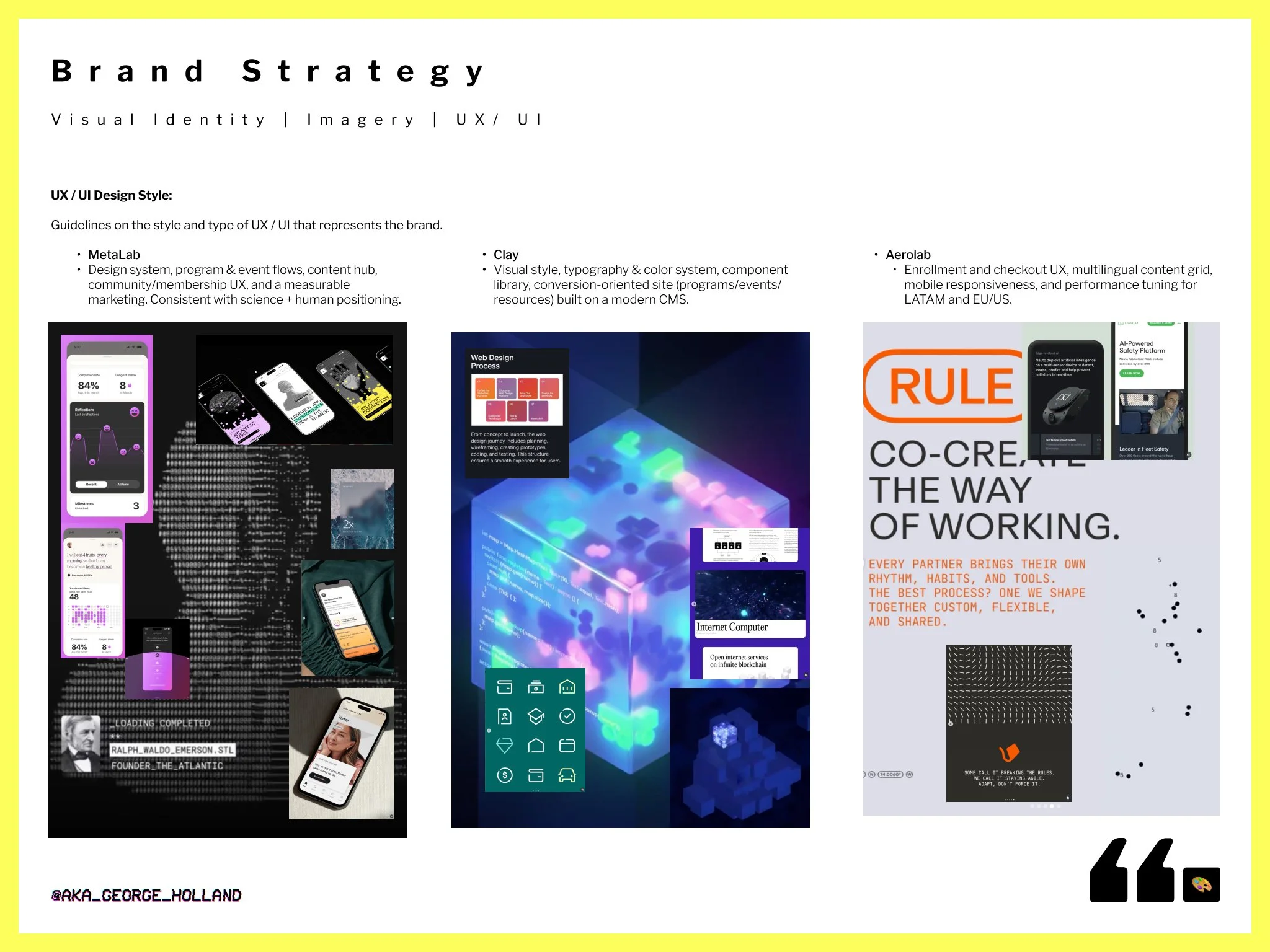
Before asking AI to “write something”, I taught it how MAHI speaks:
tone of voice
vocabulary
visuals
scientific boundaries
messaging do’s and don’ts
This became the brand operating system for AI: prompts, templates and rules that keep everything aligned.
B. Automated Creative Workflows
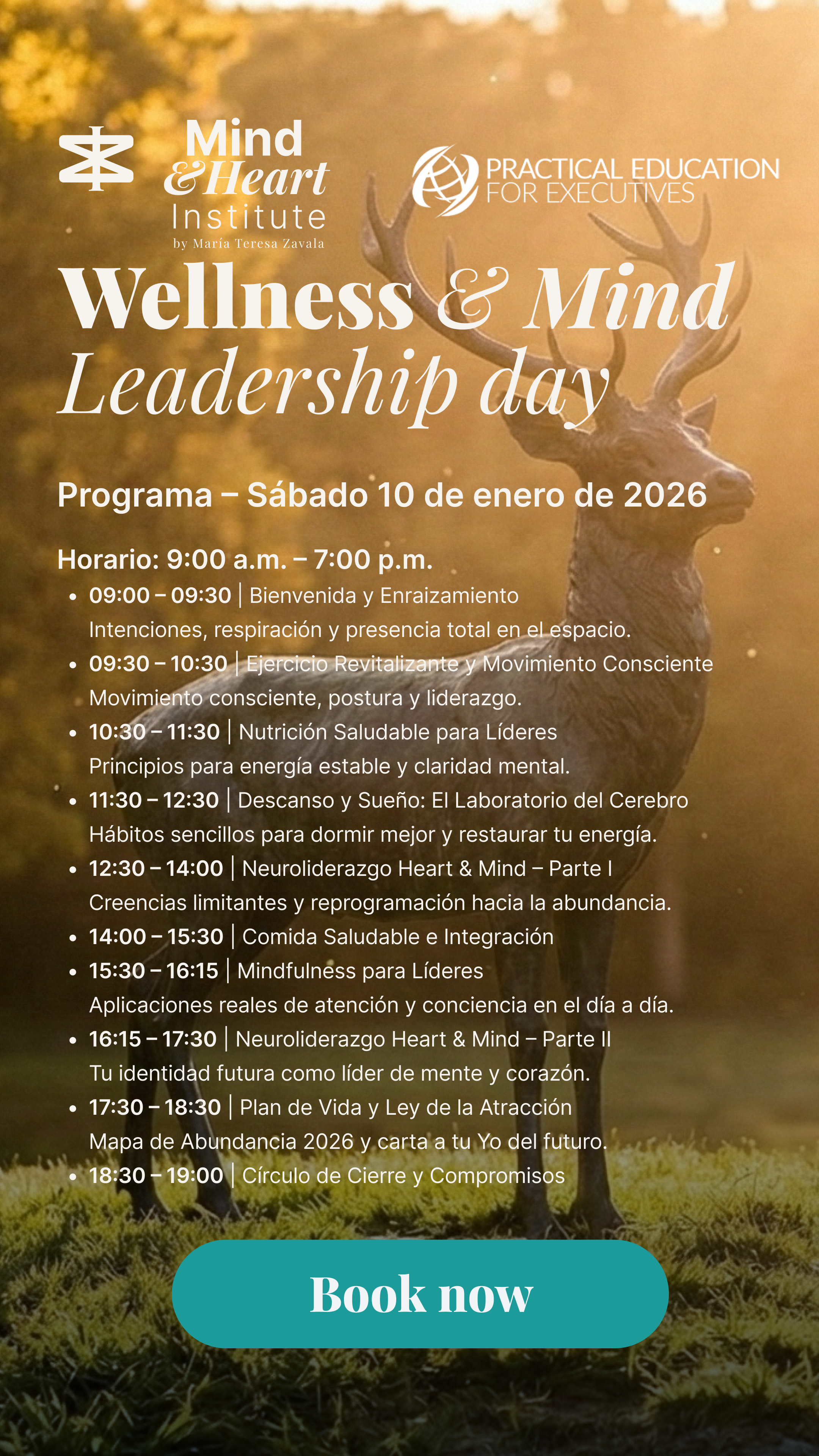
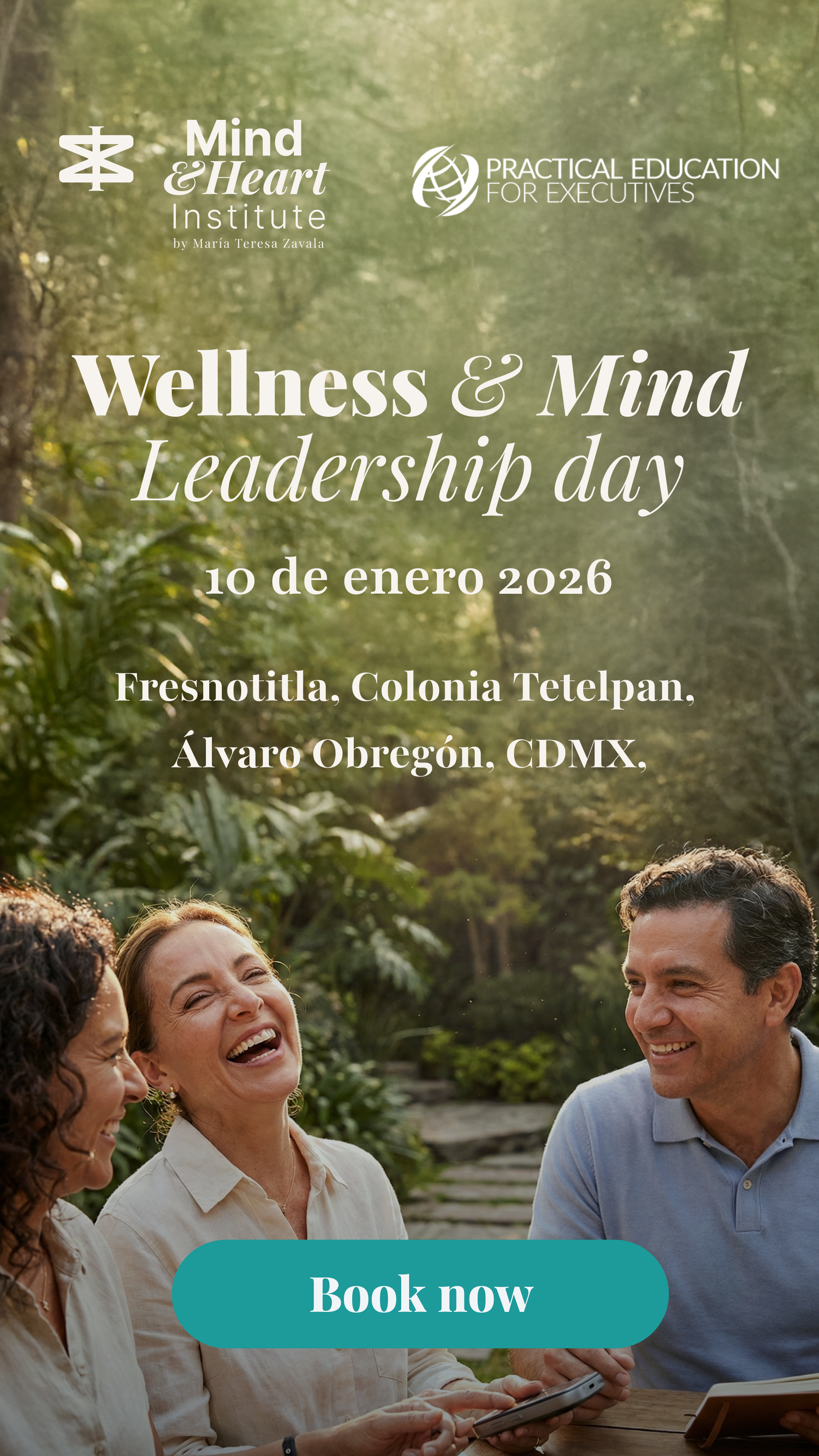
I designed templates and workflows so one idea becomes an entire ecosystem:
landing pages
email sequences
Social media content
scripts
micro-learning capsules
What used to take weeks now takes hours — consistently.

5. From Pillars to Business Models
“A rebrand without strategy is just decoration.”
What I did was redesign how the business works.
Once we defined the three pillars — Languages, Wellness, Leadership — I went deeper and mapped out their vertical routes:
Languages: Superlearning, Inglés sin Miedos, accelerated learning.
Wellness: NeuroWellness 360, Neuro-plasticity, Neuro-nutrition, Neuro-technology
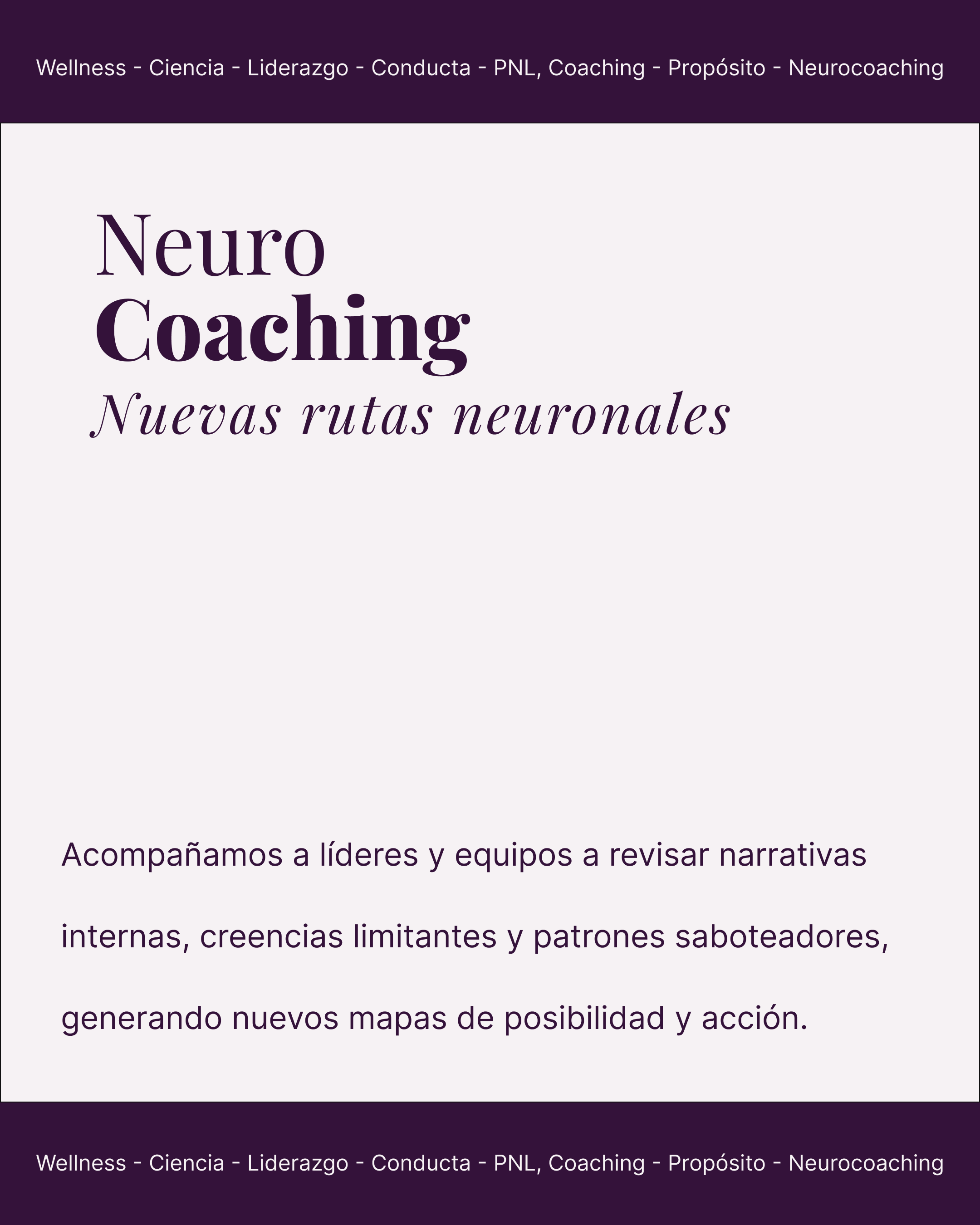
Leadership: Neurocoaching, NeuroLeadership, Emotional Intelligence.
Then we asked a different question:
“For each vertical, what are all the ways this can become a business?”
Instead of one generic “training company”, we designed multiple routes to market:
B2B – corporate programs for banks, pharma, automotive, universities, etc.
B2C – groups, retreats and transformation journeys for individuals.
Digital – online programs, memberships and evergreen content.
Products – CHPT, tools, tests and neuro-wellness assets.
Licensing & certification – Superlearning and NeuroLeadership as scalable systems.
And I didn’t stop there.
For each combination (pillar × vertical × business route), I defined:
Who it speaks to (HR, CEOs, professionals, individuals)
What problem it solves
How it shows up (offer, format, channel)
How it talks (tone, promise, narrative)
Same brand core.
Different communication style depending on the pillar and the audience.
AI helped us pressure-test this:
we could prototype messaging, offers and funnels for each route fast, then keep what resonated and discard what didn’t.
So research here wasn’t just “market analysis”.
It was business design.
The pillars stopped being a slide in a deck.
They became a matrix of real opportunities: B2B, B2C, digital, products, licensing — all speaking the right language to the right people.








6. What Changed in 8 Weeks
Total brand clarity
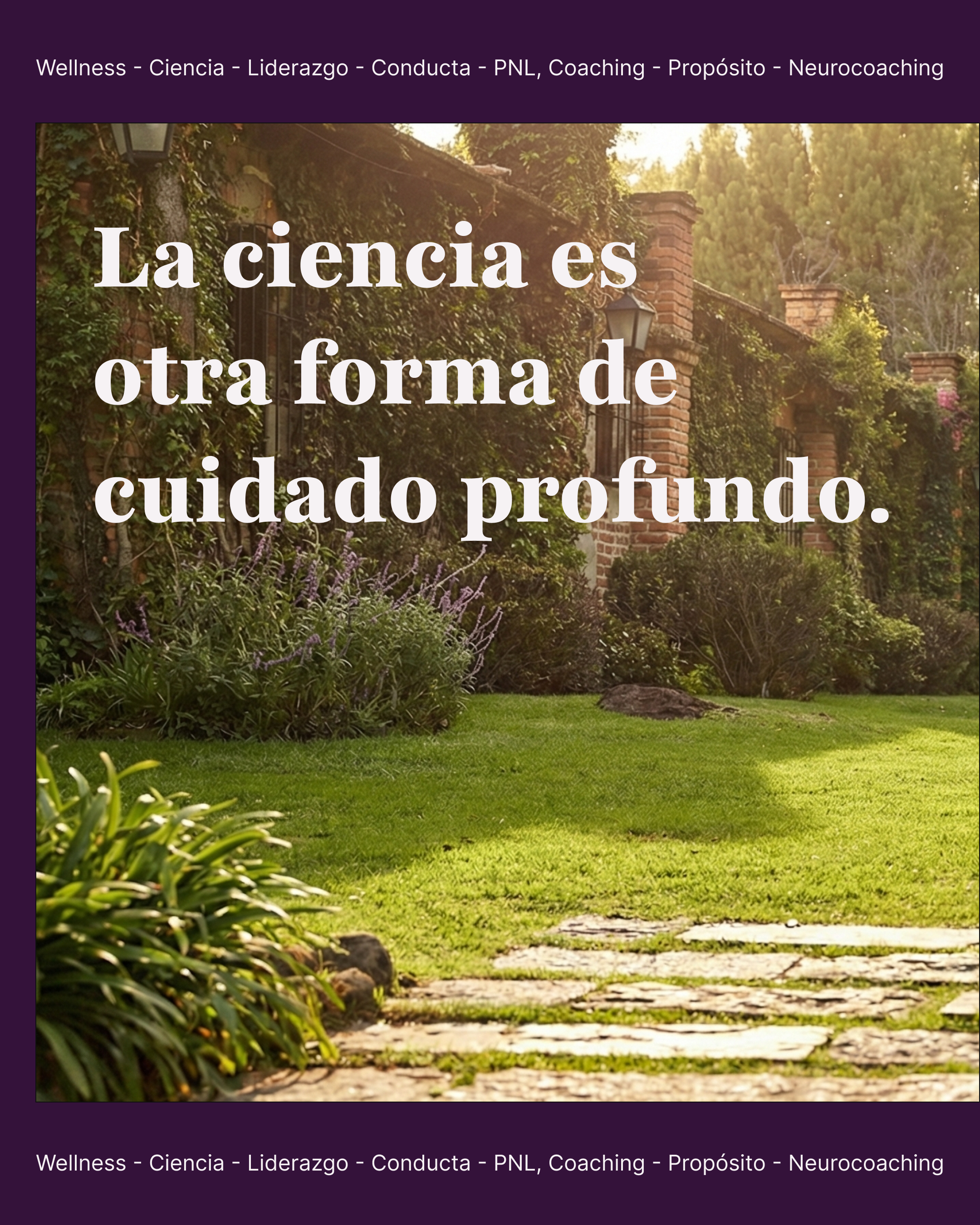
MAHI now feels unified, intuitive, and globally relevant.
Speed
AI handles the heavy lifting.
AI + templates = days instead of weeks.Consistency
Three pillars → one universe.
Scalability
New offers plug into an existing architecture.
The brand doesn’t “break” each time something new is launched.
7. How I Work
This project is a snapshot of my approach as a creative director and AI specialist:
Immersion over assumption
I study the founder, the science, the market, the psychology, the needs and the opportunities.
Systems over assets
Logos fade. Systems scale.
Brand architecture, messaging frameworks, repeatable content flows.
AI as leverage
I use AI to compress time, not to replace thinking.
Creativity tied to business outcomes
Every design, every message, every pillar is tied to revenue, relevance and long-term growth.